Algorithm tackles 3D-printing cracks
Machine learning reportedly identifies laser settings for a 'near crack-free' nickel superalloy.
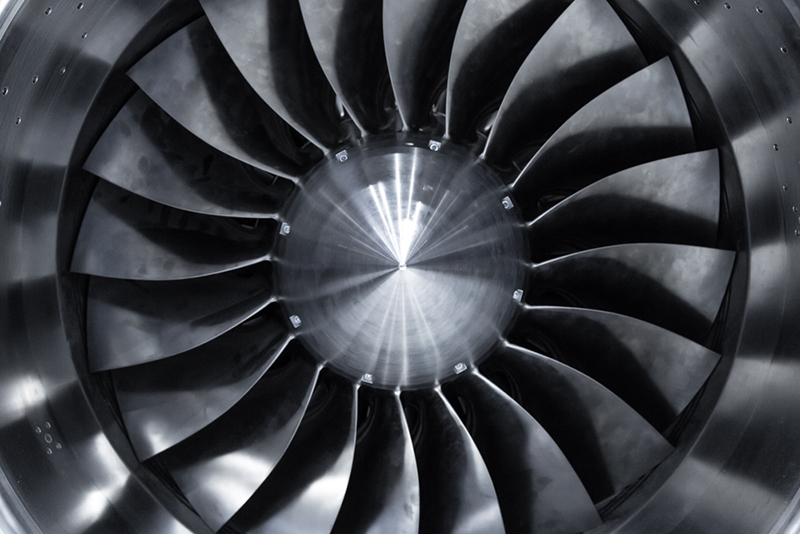
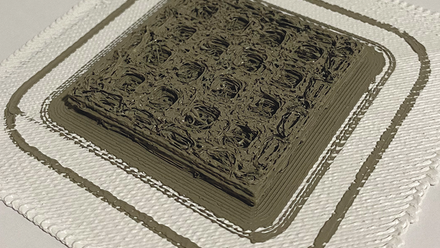
Researchers at the University of Science and Technology Beijing, China, have used a machine learning framework to reduce cracking in laser powder bed fusion of CM247LC – a nickel-based superalloy used in aerospace engines and gas turbines.
The alloy offers strong performance at extreme temperatures, but is difficult to process using additive manufacturing. Rapid heating and cooling can cause severe internal cracking and interlayer delamination. Optimising laser power, scan speed and layer thickness by trial and error is slow, costly and difficult to scale.
The team began with 30 physical experiments, before using a Gaussian mixture model to generate 100 virtual data points and Bayesian optimisation to identify promising processing parameters. Within two experimental iterations, the approach si said to have reduced crack density by 99%, with a reported crack density of just 0.01mm/mm².
Tests at 900°C are said to show an ultimate tensile strength of 937MPa, 23% higher than conventionally cast CM247LC, alongside 809MPa yield strength and 10.8% elongation.
So far, the work has been validated on small test cubes and tensile specimens, but the researchers say the framework could support future printing of larger turbine components and other crack-sensitive alloys.
For more like this...