Algal blooms found to exacerbate plastic deterioration
Algal blooms may hasten microplastic formation, according to research in South Korea.
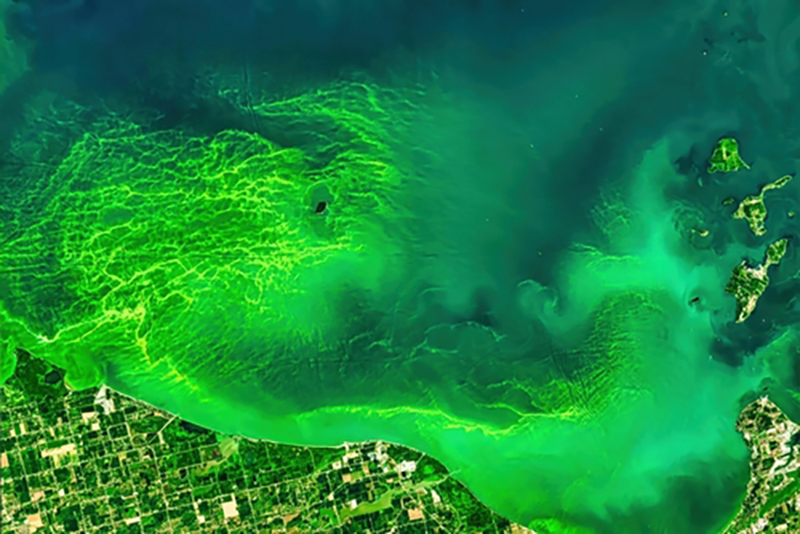
The study from the the Korea Advanced Institute of Science & Technology is said to show how algal bloom conditions can make discarded plastics, such as plastic bags, more prone to breaking apart, potentially accelerating the formation of microplastics.
The researchers say this points to a strategy of water pollution and plastic pollution needing to be managed together, rather than as separate problems.
A microcosm experiment conducted at a pond on campus reveals that algal blooms alter the microbial ecosystem on the surface of low-density polyethylene and accelerates its early-stage weathering, in which the surface oxidises and develops microscopic cracks.
This suggests that, in natural environments, plastic pollution and the eutrophication that drives algal blooms can interact and lead to new ecological changes.
Professor Jaewook Myung, who led the KAIST team, says 'As algal blooms become more frequent because of climate change, we expect this work to provide an important scientific basis for integrated environmental management strategies that consider water quality management and plastic waste management together.'