Scaling action on materials sourcing for textiles
The Textile Exchange initiative provides a clear structure for brands, retailers and raw material producers.
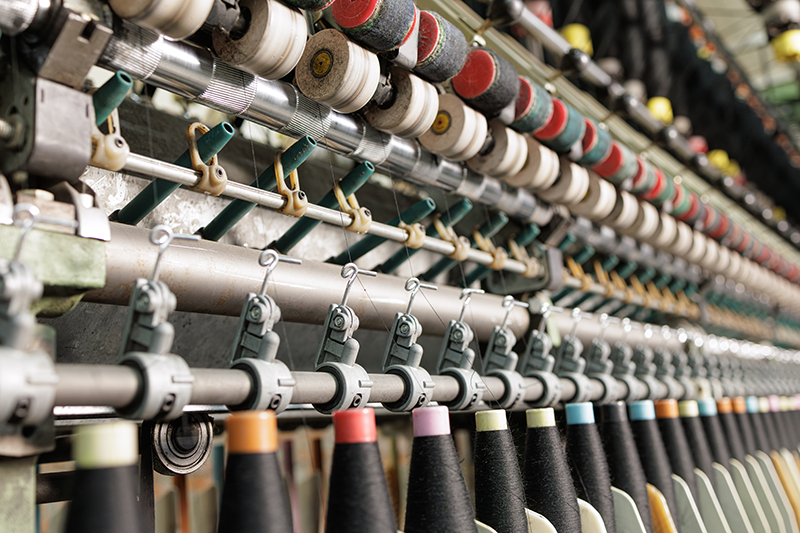
Non-profit organisation Textile Exchange focuses on how the materials used in textiles are farmed, sourced and extracted from the Earth, plants, and animals. The aim is to reduce the emissions that come from these processes by 45% by 2030.
The organisation has now published new guidance to help brands and retailers in its 'Action Cohort' to prepare for upcoming reporting and target-setting requirements.
Textile Exchange evolved its membership earlier this year to create more action-oriented pathways designed to accelerate progress towards 'preferred textiles production systems'.
Starting in 2027, brands and retailers in the Action Cohort will be required to:
- Report materials sourcing volumes through the Textile Exchange Materials Benchmark.
- Set targets for the percentage of materials sourced through standards, certification, or other programmes that verify practices for preferred ways of production.
- Lead by example and demonstrate leadership through future collective action initiatives.
Each member must set its own company-level targets, but Textile Exchange will also use data reported into the Materials Benchmark to measure the cohort’s combined progress against a set of aggregate targets.
Through impact data modelling and stakeholder feedback, shared targets have been set for: reducing or eliminating pesticide and fertiliser use, addressing deforestation and conversion, upholding animal welfare, using recycled feedstocks, and ensuring human rights due diligence.
Textile Exchange encourages Action Cohort brands and retailers to try and align their overall company-level targets with its aggregate targets.
By tracking collective progress, Textile Exchange will be able to identify what the cohort is achieving together and where further action may be needed. It will also inform the organisation’s future research, guidance and collective action opportunities for members.
Its structure also include a Community Cohort, which continues to support learning, collaboration and cross-industry exchange.