Study challenges EU ban on recycled phosphorus for animal feed
The research found low levels of undesirable substances in phosphorus recovered from incinerated sewage sludge.
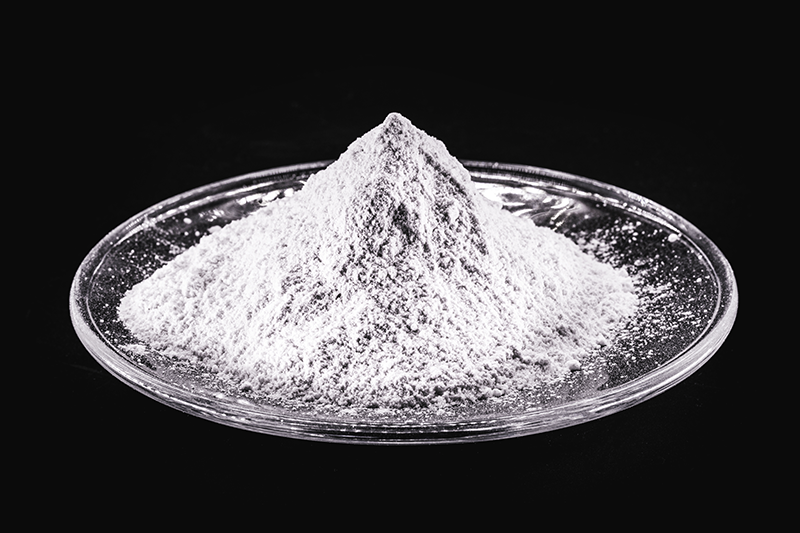
Conducted by researchers at Aarhus University, Denmark, the risk assessment reported that phosphates recycled via EasyMining’s Ash2Phos process had levels of regulated heavy metals cadmium, arsenic, mercury and lead below, or well below, EU limits.
The study, requested by the Danish Veterinary and Food Administration, also finds PFAS and other organic contaminants are unlikely to be present.
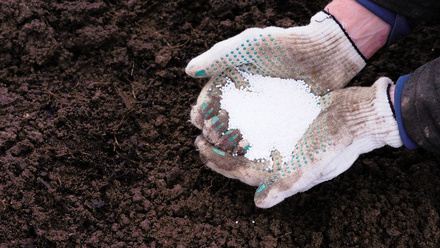
The Ash2Phos process recovers phosphorus from sewage sludge ash and produces RevoCaP, a recycled calcium phosphate.
The Aarhus team believes the recycled phosphorus is suitable for use in animal feed and recommends updating current EU rules that ban the use of phosphorus recycled from wastewater in animal feed.
Existing EU legislation excludes use of nutrients recycled from wastewater regardless of how they have been processed or the quality of the final product.
Sweden has urged the EU Commission to request another risk assessment from the European Food Safety Authority as a step towards revising the feed legislation.
A separate 2023 assessment by the Swedish National Veterinary Institute concluded that the probability of infectious animal pathogens remaining in phosphorus from Ash2Phos is ‘negligible’.
Pär Larshans, Chief Sustainability Officer at Ragn-Sells Group (parent company of EasyMining) says, 'The Aarhus study shows why circular raw materials should be judged by their quality, not their origin.
'If recycled phosphorus meets the same safety requirements as phosphorus from mining, it should be allowed to compete on equal terms.'
He adds that allowing the use of recycled phosphorus in Europe’s waste streams for domestic food production could help reduce the EU’s dependence on imported phosphorus from Russia and Morocco.