Are microplastics undermining the ocean’s power to absorb carbon?
New research suggests disruption to marine life reduces the ocean’s ability to regulate global temperatures.
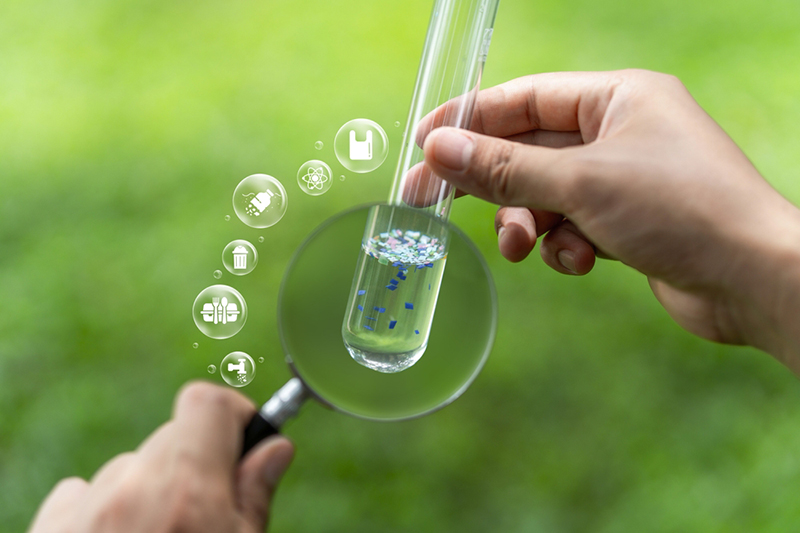
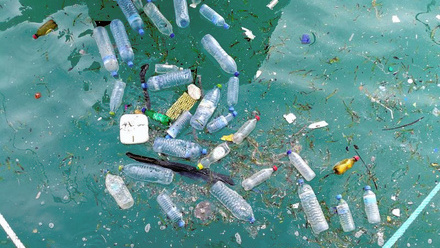
The study published in the Journal of Hazardous Materials explores how microplastics interfere with natural carbon storage by affecting phytoplankton and zooplankton, organisms that are essential to carbon cycling.
The work also highlights the role of the 'plastisphere', a community of microbes that forms on the surface of microplastics. According to the researchers, this microbial layer contributes to greenhouse gas production through its complex biological activity.
The scientists from China, Hong Kong, Pakistan and the United Arab Emirates report, 'Climate disruption and plastic pollution are two major environmental challenges that intersect in complex ways. Microplastics influence biogeochemical processes, disrupt oceanic carbon pumps and contribute directly to greenhouse gas (GHG) emissions.
'We have highlighted an overlooked link between microplastics and climate change. We call for urgent global action to address this emerging threat.'
Among their recommendations, they urge the UN to reconsider how plastics are addressed within the Sustainable Development Goals. They point out that "plastics are currently represented by a single indicator, which may not adequately capture the widespread risks posed by microplastics across diverse ecological systems".
They also call for coordinated governance frameworks that address both microplastic pollution and climate change, particularly in relation to ocean warming and acidification.
To protect the oceans and maintain their ability to absorb carbon dioxide, the authors highlight several priorities. These include cutting back on single-use plastics, improving waste management systems, encouraging biodegradable alternatives, and expanding research into how microplastics affect ocean temperatures and carbon cycles. They also recommend using artificial intelligence-driven monitoring tools and new materials to reduce plastic waste.
For more like this...