Towards an all electric mine
Analysing the progress towards an all-electric mine.
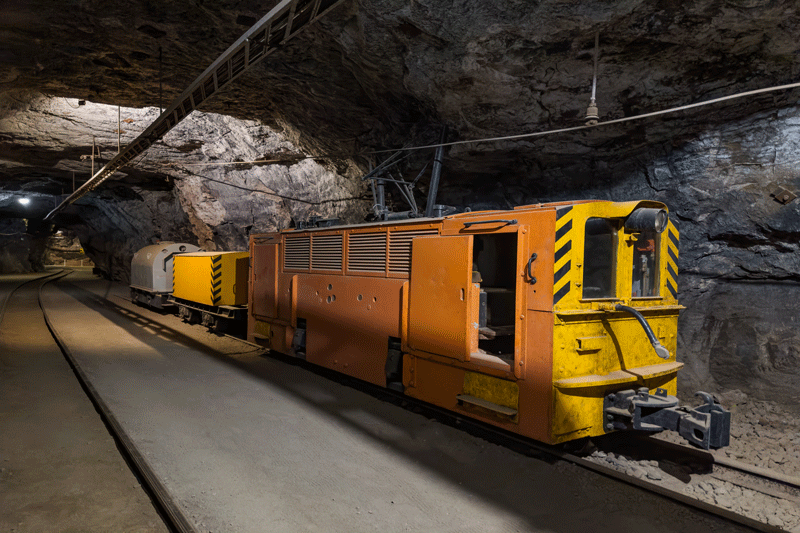
Despite the motivations of emissions reduction, productivity and safety improvements, mine electrification is challenging due to power availability in remote areas and the need to renew existing large haulage.
Björn Jonsson, ABB’s Global Business Line Manager for Mining & Materials notes, 'It is possible to electrify a wide range of vehicles and machinery. However, electrification is typically an incremental process, beginning with targeted applications that demonstrate value, reduce risk and provide the confidence needed to scale adoption over time.'
The Swedish multinational miner and metals refiner Boliden has commissioned ABB to expand electrification and automation at its Atik open-pit copper mine – Sweden’s largest.
ABB says the extensive range of equipment required to achieve electrification includes 'modular e-houses, medium- and low-voltage switchgear, transformers, variable speed drives for pumping stations and...distributed control systems…These platforms will enable centralised supervision of energy flows, predictive maintenance alerts and real-time diagnostics capabilities, which are critical for managing dam performance to avoid downtime under shifting operational demands.'
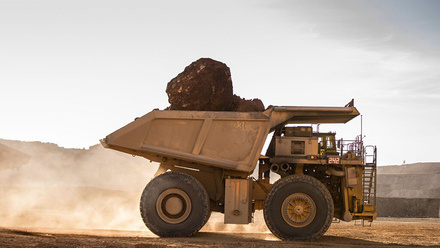
Jonsson says the key aim of mine electrification is also 'replacing many traditionally diesel-powered systems across mining operations, including haul trucks that are being transitioned to electrified transport systems such as electrified vehicles, hoist systems and conveying solutions'.
Who benefits?
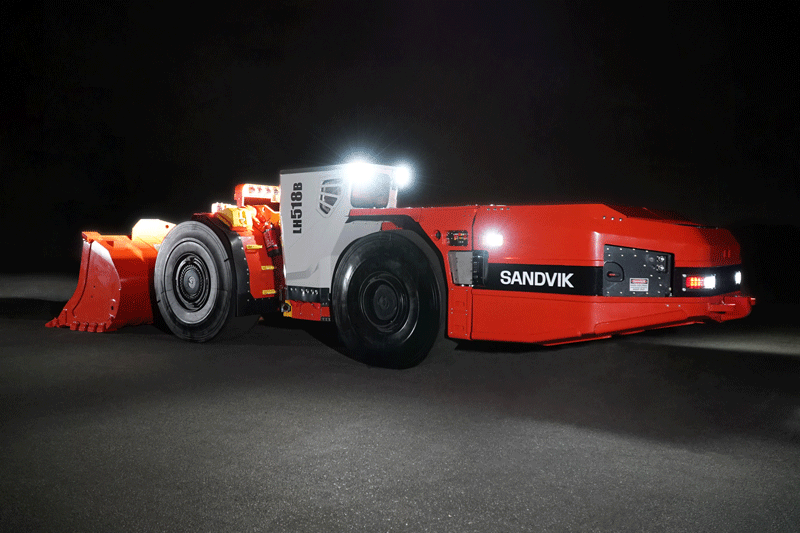
While sustainability is an important driver of electrification, operational productivity remains a miner’s top priority. Tommi Valkonen, Head of Battery and Electric Vehicle (BEV) Strategy at Sandvik Mining, Sweden, explains that, in the right applications and with an optimised mine design, electrification can significantly raise the bar for both safety and productivity.
'For example, in underground drilling, battery-electric rigs can finish dozens of full-size development holes with the energy from the battery, which opens the door to significant benefits in optimising the drilling duty cycle and improves operational security, e.g., during grid blackouts. Battery-electric vehicle loaders and trucks deliver instant torque, faster acceleration, and lower heat, noise and vibration underground,' he says.
'Electrification primarily replaces conventional diesel-powered systems in underground and surface mines. The biggest shift is in mobile equipment, including loaders, trucks and drills, where BEVs are becoming an increasingly alluring alternative to conventional diesel equipment for many mines.
'We now have several customers with battery-electric hauling equipment outperforming their diesel counterparts by 20-35% in tonnes per hour, and some who see BEVs as the number one economical haulage choice for the life-of-mine, as electrification allows them to avoid sinking a new ventilation shaft.'
Valkonen continues, 'Electrification also extends to charging infrastructure, battery management systems and integrated energy management. Electrification reduces dependence on large ventilation and cooling systems required to manage diesel exhaust and heat underground.
'Sandvik views electrification as part of a broader transformation combining electrification, automation and digitalisation to create safer, more productive and more sustainable operations.'
On the move
Jonsson is hopeful on progress towards deploying electric vehicles. 'Replacing an entire diesel fleet won’t happen overnight, but electrified haulage systems powered by battery and trolley-assist solutions are gaining traction. Over time, mines are expected to deploy fully battery-equipped trucks alongside trolley systems to improve efficiency and reduce emissions.'
He shares how ABB, Epiroc and Boliden achieved a “major milestone” by successfully deploying the world’s first, fully battery-electric, trolley truck system on a 5km track, demonstrating the technology’s potential for safer, more efficient and sustainable mining operations.
'However, electrified fleets require robust power distribution, charging strategies and energy management systems. Careful infrastructure planning enables operators to transition gradually while maintaining productivity,' says Jonsson.
Valkonen reflects, 'Mining vehicles are central to mine electrification and perhaps are its most visible transition.
Make mine net-zero
For Jonsson, electrification is also a critical pathway towards achieving net-zero emissions in mining. 'The industry faces growing pressure to decarbonise operations', he says, 'particularly as mining activities are often energy-intensive and located in remote regions with significant power demands. Subsequently, mining operators are turning to electrification to…meet stringent sustainability goals.
'Electrification alone does not guarantee net-zero, but it does reduce reliance on fossil fuels and exposure to volatile energy markets. Combined with renewable energy sources, electrification can help mining companies lower emissions, improve energy resilience and support long-term sustainability,' Jonsson notes.
And Sandvik? 'We see net-zero as an ultimate aim, absolutely', explains Valkonen, 'but as mentioned above, the proven productivity benefits of BEVs are again taking centre stage of the conversation.
'The discussion we have with our customers right now is about how to make electrification deliver the next step-change in their productivity and cost-per-tonne. The sustainability benefits are included automatically, so to speak.
'Even in mine grids fed by fossil-generated electricity, BEVs will deliver substantial emission reductions as they generally consume 80% less energy overall to move the same tonne of rock, or to move a piece of equipment the same distance.
Sandvik’s view is, 'Battery-electric mining equipment produces zero diesel-exhaust emissions at the point of use underground, eliminating diesel particulate matter and reducing exposure to combustion-related pollutants. BEVs also generate significantly less heat, noise and vibration.
'Actual field data from deployments at customer sites shows electric fleets can reduce underground fleet heat generation by as much as 90%, substantially reducing ventilation and cooling requirements. Broader mine-level emissions reduction depends on the customer’s energy mix and operating model.'
Manpower
Does the electrification of mines have implications for staffing? It is changing the skills mines need, Jonsson says. 'As operations become more automated and connected, the need for workers with expertise in digital systems, automation and artificial intelligence will grow. The shift will likely broaden the industry’s talent pool.
'ABB’s Mining’s Moment report indicates that 68% of mining executives see technology as a driver for diversity. Mining companies that embrace electrification, automation and digitalisation will be better placed to offer high-tech, sustainability-driven career paths.
'However, success depends on building the right combination of digital capability and deep understanding of mining processes, supported by closer collaboration with technology suppliers.'
Valkonen echoes this view, 'Electrification changes workforce requirements more than it reduces workforce size. Mines increasingly need electrical, automation and battery-management expertise alongside traditional mining skills.'
Staying current
Regarding challenges in electricity supply where mining takes place in remote areas. Jonsson notes, 'Electrified mining operations require resilient infrastructure. Grid integration becomes critical, as electricity suppliers must meet significant power demands in remote areas with limited network capacity, often requiring investment and upgrades to existing grid infrastructures while maintaining reliable and stable power delivery.
'Mining companies are adopting a combination of onsite power generation, energy storage and smart load management, alongside renewable energy sources to address these constraints. This is supported by a combination of automation, digital platforms and energy management systems that optimise power consumption, reduce peak demand and improve efficiency.
'Meanwhile, fleet management solutions provide visibility into battery performance, charging cycles and equipment utilisation, helping operators make the most of available power resources.'
For Sandvik, 'Energy infrastructure is one of the major considerations in mine electrification, particularly for remote operations. Mines may require upgrades to charging infrastructure, substations and underground power distribution. That said, electrification does not always mean dramatically higher overall power demand.
'Reduced ventilation and cooling requirements can offset a significant portion – or even all – of the added power draw from chargers. We are currently involved in a consortium study that will investigate this topic in detail by simulating a large battery-electric fleet of production and utility vehicles in two brownfield mines, so we expect to be able to substantiate these estimates with more confidence soon.'
A rich vein of potential
The safety benefits of mine electrification are also substantial. Removing diesel combustion underground significantly improves air quality and reduces worker exposure to diesel particulate matter. Battery-electric equipment also reduces heat, noise and vibration, creating a more comfortable and healthier working environment.
Sandvik shares that operators consistently report improved underground conditions when working with BEVs. Electrification also supports automation and remote operation technologies, allowing workers to move further away from hazardous areas while improving operational consistency and situational awareness.
Technologies such as autonomous hauling and automated connection devices reduce the need for workers to operate in hazardous areas.
Mine electrification has the potential to impact many aspects of mining operations, and could produce benefits in areas such as safety, air quality and even employment. All while helping drive progress towards net-zero.
More like this...