IEA releases its latest World Energy Outlook
Drawing on the latest data across fuels and technologies, the report examines the impact of geopolitical instability and energy supply disruptions.
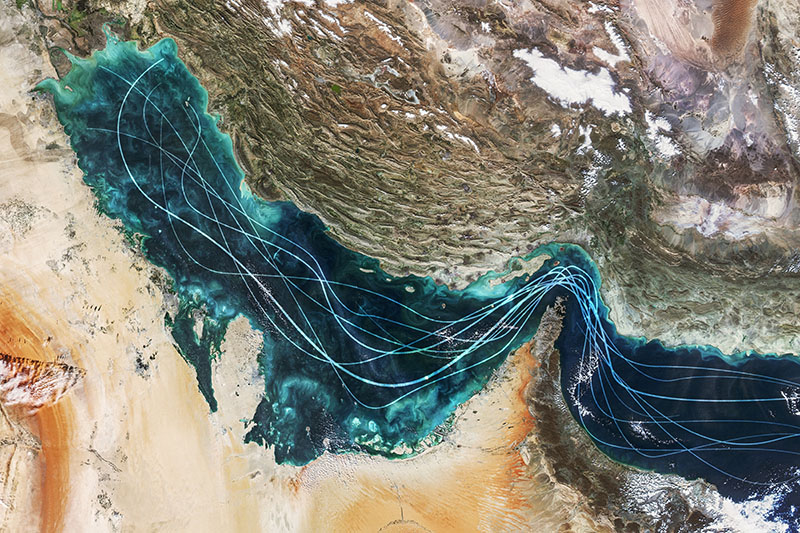
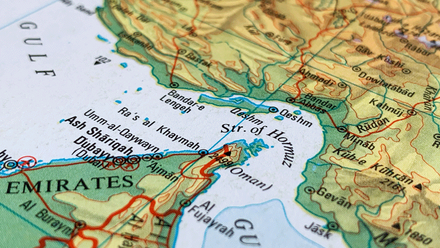
Strait of Hormuz
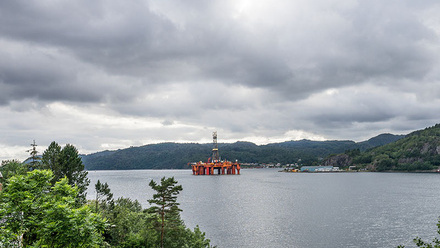
© Alones/ShutterstockThe International Energy Agency (IEA)'s latest World Energy Outlook explores the potential long-term impacts of the Middle East conflict and disruptions to shipping through the Strait of Hormuz on global energy supplies.
It analyses potential pathways for the energy sector that could emerge from today’s upheaval and seeks to provide insights to help governments navigate energy policy decisions in the coming years.
'It also brings into focus the difficult trade-offs they face. In pursuit of greater energy security, countries must take care not to replace one dependency with another. But encouragingly for the future, energy security and energy transitions have never been so closely aligned,' says said IEA Executive Director Fatih Birol.
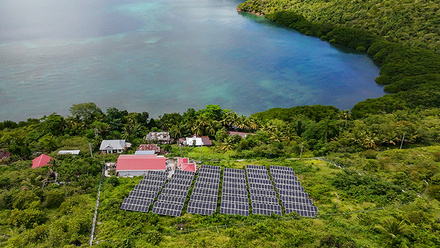
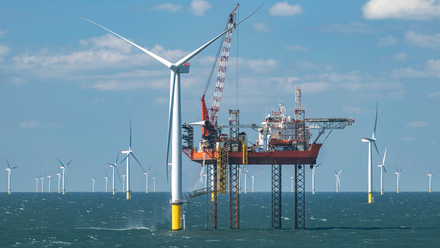
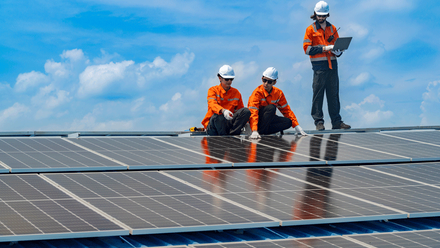
The analysis identifies growing interest in diversifying energy supplies, increasing reliance on domestic resources and accelerating electrification. Renewables, particularly solar photovoltaics, and nuclear power are expected to benefit from this shift, alongside greater investment in energy efficiency.
The drive to diversify could also reshape established patterns of energy trade. The report finds that, in a case where significant risks to shipping through the Strait of Hormuz are prolonged, investment in new bypass pipelines, alternative sources of supply, and measures by importers to displace demand could reduce the need for oil flows through the Strait from 20 million barrels per day before the crisis to 8.5 million in 2030 and to under 2 million by 2035.
But even in this extreme case, the Middle East would remain the world’s largest exporter of oil to international markets, underscoring its vital position in the global energy security landscape.
The report also explores what may happen to oil and natural gas markets in the event of a clear resolution to the conflict in the Middle East, noting that this would likely bring competing market dynamics into play. Global oil and natural gas supply could rebound strongly, particularly as a delayed wave of liquefied natural gas supply hits the market.
This could result in a buyer’s market for oil and gas, which would put downward pressure on prices, even as inventories are replenished. At the same time, structural changes in demand – particularly faster electrification – could further alter the outlook for both fuels.
There will be other significant impacts, according to the report. The crisis threatens to reverse recent progress on energy access, particularly in emerging and developing economies.
Access to electricity and clean cooking accelerated in 2025, but higher fuel prices and supply shortages in 2026 risk slowing further gains.
And while the crisis is likely to accelerate the uptake of low-emissions energy technologies on a global level, there is still a large gap between trajectories based on current or stated policies – whose temperature outcomes range from 2.5 °C to 2.9 °C of warming – and a 1.5 °C‑aligned pathway.
More like this...