Automated framework assesses damage to steel infrastructure
3D scanning, computer simulations and artificial intelligence (AI) could improve the reliability and safety of inspections.
Developed by researchers at EPFL, Switzerland, the system analyses structural issues to estimate how much load a damaged steel component can safely withstand.
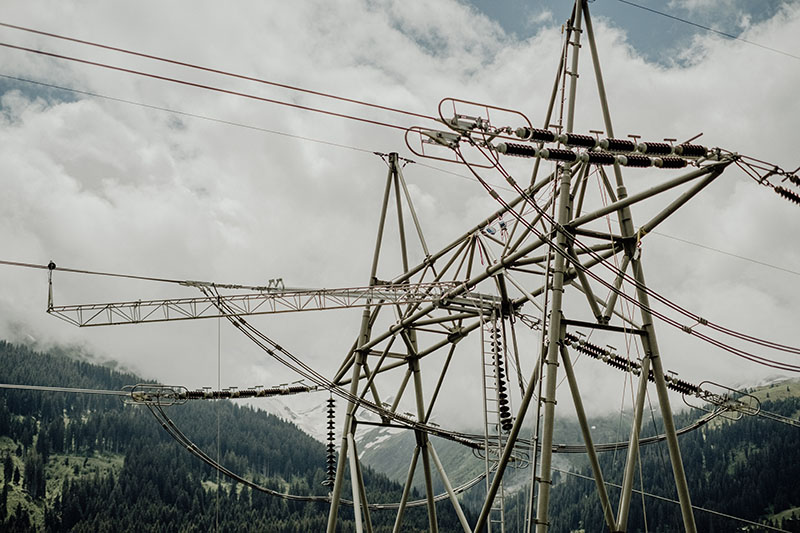
Steel infrastructure such as bridges, electricity transmission towers and telecommunications lines requires regular inspections to identify damage caused by corrosion, cracks and extreme weather. However, accessing remote or hazardous sites can put inspectors at risk and make assessments difficult.
The inspection process from EPFL uses laser scanning to capture the geometry of structural elements, with the resulting 3D data analysed using algorithms trained on thousands of laboratory experiments and virtual tests validated through physics-based simulations.
The framework also reportedly accounts for measurement uncertainty caused by factors such as scan resolution and environmental conditions, helping engineers assess the reliability of its predictions.
Initially applied to electrical transmission towers and standardised steel sections, the approach could also be used for bridges and conventional steel buildings.
Researchers are now seeking industry partners to trial the technology, with further work exploring drone-based inspections and identification of steel components suitable for reuse
More like this...