Brazil introduces policy on critical and strategic minerals
The policy aims to move Brazil beyond its historical role as an exporter to developing a domestic critical mineral supply chain.
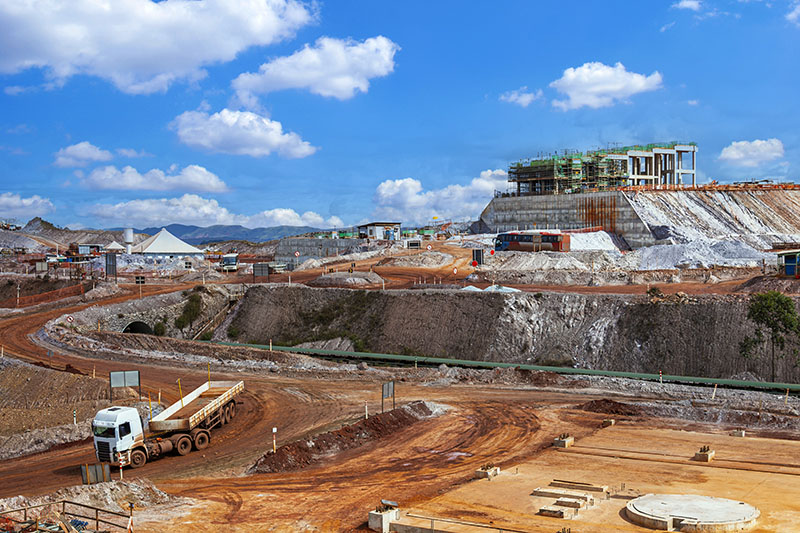
The framework identifies 27 minerals eligible for government funding and support.
The minerals listed in the National Policy for Critical and Strategic Minerals (PNMCE) have potential applications in industrial development, technological innovation and global supply chains, as well as supporting job creation and national resource security.
The policy is overseen by the National Council for the Industrialisation of Critical and Strategic Minerals, established under President Luiz Inácio Lula da Silva.
The council is responsible for approving the list of eligible minerals and encouraging public and private investment in the sector.
Minerals are divided into three categories according to their strategic importance and Brazil's socio-economic and geological priorities.
A key objective is to increase the domestic processing and industrial use of these resources by supporting research, mining and processing within Brazil.
Funding mechanisms and tax incentives will encourage companies to add value to raw materials before they're exported. In return, businesses must commit to R&D, meet socio-environmental requirements and prioritise local products and labour.
More like this...