Existing oil and gas wells targeted for critical mineral recovery
Researchers are developing reactive fluids capable of extracting minerals from underground shale formations.
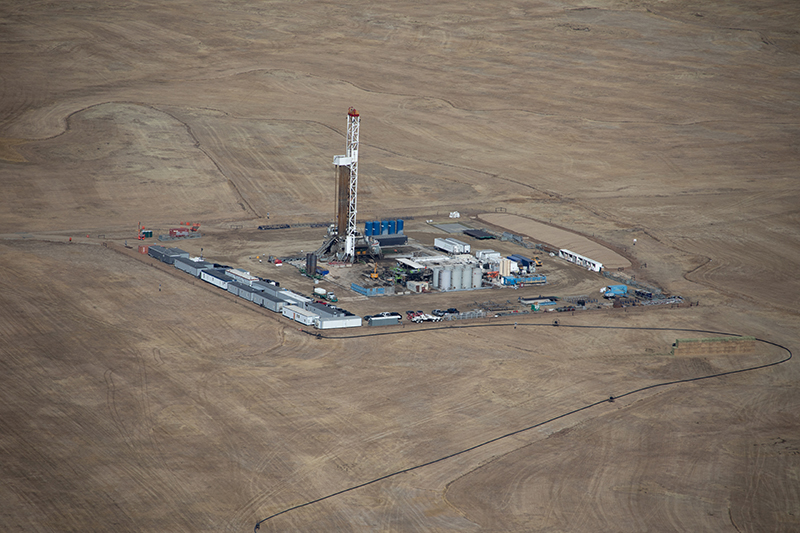
The dissolved materials will then be separated at the surface using modular processing technologies.
Led by the University of Oklahoma, the three-year Shale 2.0 project will develop a technology platform to extract nickel, titanium, manganese, vanadium and rare-earth elements from shale formations.
The project has received US$6mln in funding from the US National Science Foundation, alongside contributions from university, state and industry partners.
The US currently imports most of its critical mineral supplies, which are essential for industries including semiconductor manufacturing, artificial intelligence, energy and defence. However, developing new domestic mines can be costly and time-consuming. By using existing wells and infrastructure, the project aims to use these resources without drilling new wells or extracting rock at the surface.
The researchers will also investigate how fluids interact with rock and minerals underground to improve extraction efficiency and predict mineral recovery.
By September 2029, the team expects to deliver a validated technology platform, predictive models for injection and recovery, and a plan for commercialisation.
More like this...