Report questions mine waste potential for critical mineral recovery
Low mineral concentrations and costly extraction are flagged as challenges in a report from The Breakthrough Institute, USA.
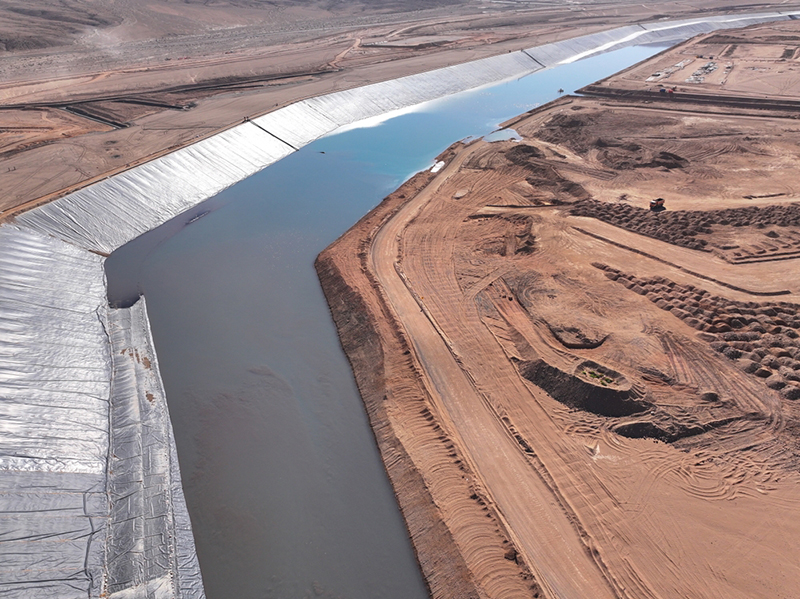
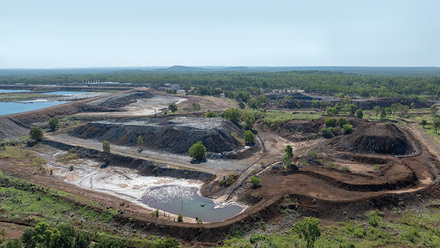
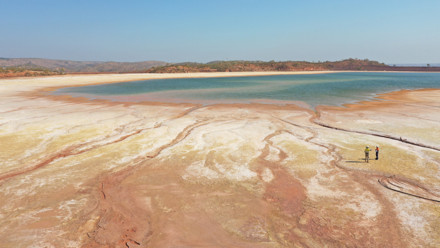
Mine tailings – the waste material left after valuable minerals have been extracted from ore – are attracting growing interest as an alternative source of critical minerals. However, the report from the Breakthrough Institute, USA, suggests their potential has been overstated.
The analysis identified just 16 combinations of elements and mineral deposit types that could offer economically viable recovery. For many critical minerals, including lithium, manganese, chromium, antimony and tin, the prospects are considered negligible, the report says.
The report, titled Mine Tailings Offer Few Opportunities for Critical Mineral Recovery: Prospects Based on Elemental Concentrations, suggests the main obstacle is concentration. Many critical minerals occur in tailings at levels similar to those found naturally in ordinary rock or soil, making recovery difficult and potentially requiring excessive energy and chemical inputs.
The report also questions whether improvements in extraction technology would substantially change the economics. It argues that mines are unlikely to be unknowingly discarding valuable mineral deposits, as the geological associations between different elements are already well understood.
The authors conclude that tailings could provide a supplementary source of certain minerals, but are unlikely to replace conventional mining.
For more like this...