Waste tea leaves inspire wound adhesive
A bioadhesive uses plant-derived compounds to mimic the wet-surface sticking ability of marine mussels.
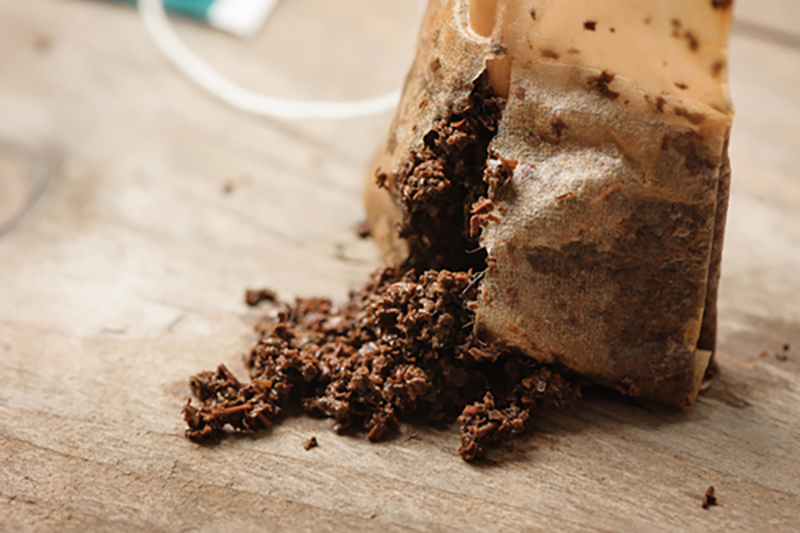
Adhering dressings to wet or bleeding skin is a long-standing challenge. Many conventional wound adhesives rely on synthetic materials that can cause irritation or create disposal issues. A new project at Aston University, UK, aims to develop an alternative using compounds recovered from spent tea leaves.
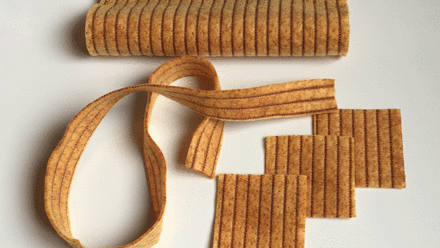
Researchers are extracting tannins and lignin from tea waste to create a biodegradable adhesive. These molecules contain chemical groups associated with adhesion, as well as antioxidant and antimicrobial properties that could contribute to future wound-care applications.
The adhesive is being produced using a one-pot process based on deep eutectic solvents, with the enzyme laccase used to drive curing without harsh chemicals or synthetic additives.
The team will optimise the material’s wet adhesion, mechanical performance and biocompatibility.