Oxygen-delivering gel heals chronic wounds
Researchers in the US claim the gel could avoid the need for amputation of wounded limbs.
The soft, flexible gel, developed at the University of California, Riverside (UCR), contains water and a choline-based liquid that is antibacterial, non-toxic and biocompatible.
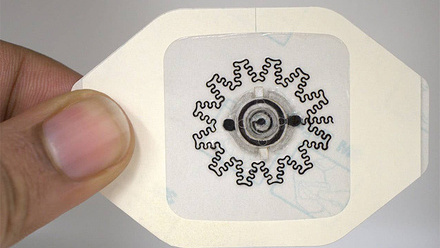
When paired with a small battery, it becomes a tiny electrochemical machine that splits water molecules to generate a slow, steady stream of oxygen.
This targets the lack of oxygen (hypoxia) in the deepest layers of damaged tissue, believed to be the root cause of chronic injuries, defined as failing to heal for more than a month.
Without sufficient oxygen, they often suffer from prolonged inflammation that can allow bacteria to flourish and tissue deterioration, eventually requiring amputation.
Iman Noshadi, UCR Associate Professor of Bioengineering, says ‘There are four stages to healing chronic wounds: inflammation, vascularisation where tissue starts making blood vessels, remodelling and regeneration, or healing.’
These healing stages are derailed by hypoxia, however, conventional treatments only deliver oxygen to the surface of wounds.
The researchers claim their gel solves this problem, by conforming to each wound’s unique shape before it sets, filling crevices where oxygen levels are often lowest and infection risk is highest.
The gel is described in the paper A smart self-oxygenating system for localized and sustained oxygen delivery in bioengineered tissue constructs, published in Nature Communications Materials.
It reportedly also offers continuous, sustained oxygen delivery for up to a month. Brief bursts of oxygen aren’t sufficient for vascularisation, which can take weeks.
Oxygen-generating patches applied and replaced weekly on diabetic and older mice were said to help wounds close in around 23 days, allowing the animals to survive, while untreated injuries failed to heal and were often fatal. The mice were chosen based on resemblance to older humans, who are particularly susceptible to chronic injuries.
Choline, a key component, has properties that help modulate the immune system and calm excessive inflammation.
Chronic wounds are also often overwhelmed by reactive oxygen species – unstable molecules that damage cells and prolong inflammation – but increasing stable oxygen helps restore balance rather than triggering further stress.
PhD candidate Prince David Okoro says they could make ‘this patch as a product where the gel may need to be renewed periodically’, and that some existing bandages ‘absorb fluid’ or ‘release antimicrobial agents’, but none directly address hypoxia.
Noshadi adds that the project’s solution to oxygen supply ‘can be seen as a bridge to creating and sustaining larger organs for people in need of them’.