OECD sets out guidelines for well‑being and resilience in mining regions
Guidance aims to help communities benefit more from mineral extraction, while supporting responsible mining and secure supply chains.
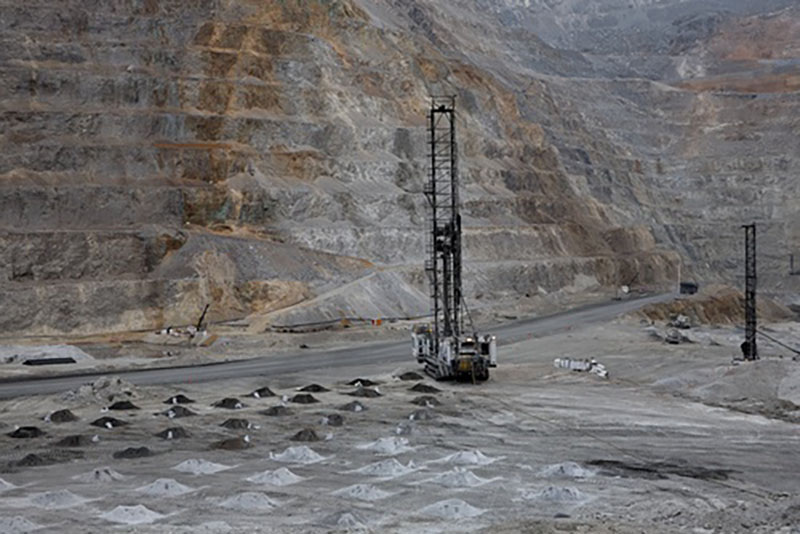
New OECD figures show that mining regions have, on average, 2% higher GDP per capita and 6% higher labour productivity than other rural regions across OECD countries. However, they often depend heavily on mining, have lower life expectancy and face considerable environmental challenges. They also fall within the 20% of OECD regions with the highest greenhouse gas emissions.
To address these challenges, the OECD has published its Guidelines for well‑being and resilience in mining regions. The report comprises 12 guidelines covering economic development, community wellbeing and environmental management. These include creating more local jobs, encouraging innovation, developing mineral processing and manufacturing industries, and ensuring more of the income from mining stays in the region.
Environmental recommendations include more resource-efficient mining, circular economy practices, greater local involvement in environmental assessments, and earlier planning for mine closure and land rehabilitation.