Seabed fees put pressure on offshore wind costs
Higher leasing charges could raise the electricity price needed to make new projects viable, says a report from the University of Oxford.
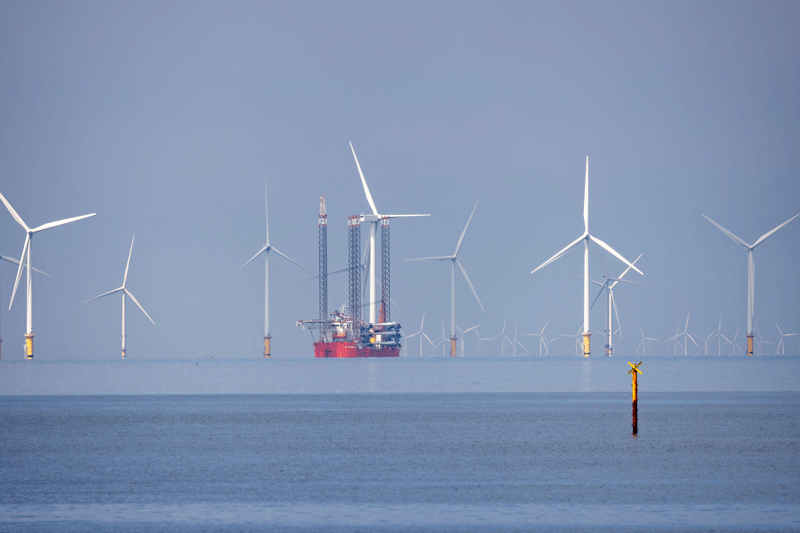
Changes to how The Crown Estate charges developers for access to the seabed could make some UK offshore wind projects harder to finance, according to the policy brief from the university's Smith School of Enterprise and the Environment and Aurora Energy Research.
In 2021, The Crown Estate changed the way offshore wind seabed rights were awarded, replacing fixed option fees with a competitive auction in which developers bid the annual fee they were prepared to pay – pushing up the cost of securing seabed rights for some projects.
The researchers estimate that to make the same financial return after paying these higher fees, developers would need to secure electricity strike prices 30-59% higher, which current price caps would not allow.
The authors warn that this could delay or cancel planned projects. If similar costs were applied across all new offshore wind developments and then passed onto consumers, they estimate that an additional £36-72bln could be added to electricity costs between 2035 and 2054, equivalent to £326-659 per household over the period.
The brief recommends returning to fixed or capped option fees before the next leasing round, which The Crown Estate plans to launch in the first half of 2027.
More like this...