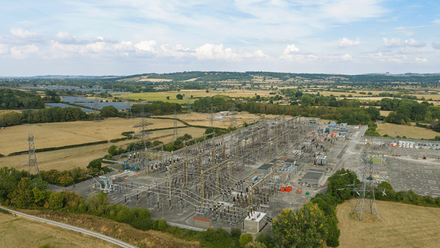
Standards are key to digitalising energy systems
British Standards Institution (BSI) says common standards will be needed to make smart grids, artificial intelligence (AI) and digital twins work together as energy networks become more complex.
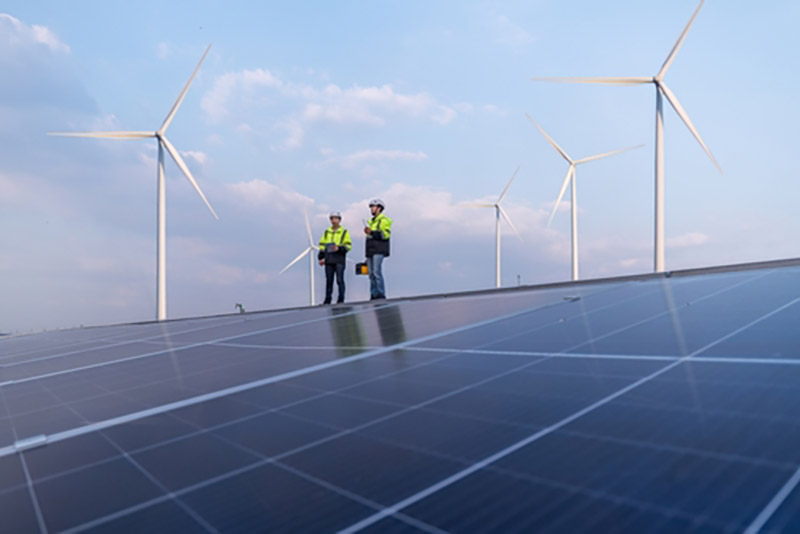
Digital technologies are becoming increasingly important as energy systems take on more renewable generation, battery storage, electric vehicles and other distributed assets, according to the report from the British Standards Institution (BSI).
The report examines how digital technologies are being used to improve forecasting, monitor assets in real time and help operators balance increasingly complex energy networks.
One example is the Common Information Model (CIM), a family of international standards that provides a common way to describe energy network assets and exchange information.
Ofgem requires electricity network companies in the UK to adopt CIM for their Long-Term Development Statements, with BSI now responsible for governing its implementation.