Microstent to combat glaucoma
The nickel-titanium alloy stent aims to provide a more durable and minimally invasive alternative procedure.

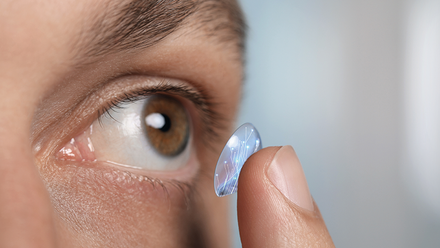
Glaucoma is a leading cause of vision loss and can cause irreversible damage to the optic nerve.
Current treatment options consist of highly invasive surgeries to reduce pressure within the eyeball. This has ‘limited long-term effectiveness’ and is ‘susceptible to failure due to fibrosis (scarring) in the eye’, claims researchers from the University of Oxford, UK.
The new microstent features a unique shape, with a diameter of 200µm. This allows it to fit within the needle of a standard hypodermic syringe, for minimally invasive insertion.
Once in place and expanded, the microstent spans the fluid-filled space between the white of the eye and the membrane that covers it. This reduces the excessive fluid build-up and the resulting intraocular pressure in the eye.
The stent is made from a durable, super-flexible nickel-titanium alloy – nitinol. Advanced modelling techniques helped shape its design and ensured compatibility with the eye. Its superelastic properties accommodate changes to the eye over time, allowing it to stretch without deformation.

Trials carried out in rabbits showed the microstents lowered eye pressure in less than a month with minimal inflammation and scarring.
The study, published in The Innovation Journal, Cell Press is Open Access and claims a greater reduction in eye pressure than a standard tubular implant.