British glassmakers launch pledge to support domestic glass
The 'Back British-made Glass Charter' encourages voluntary signees to recognise the value of UK glass.
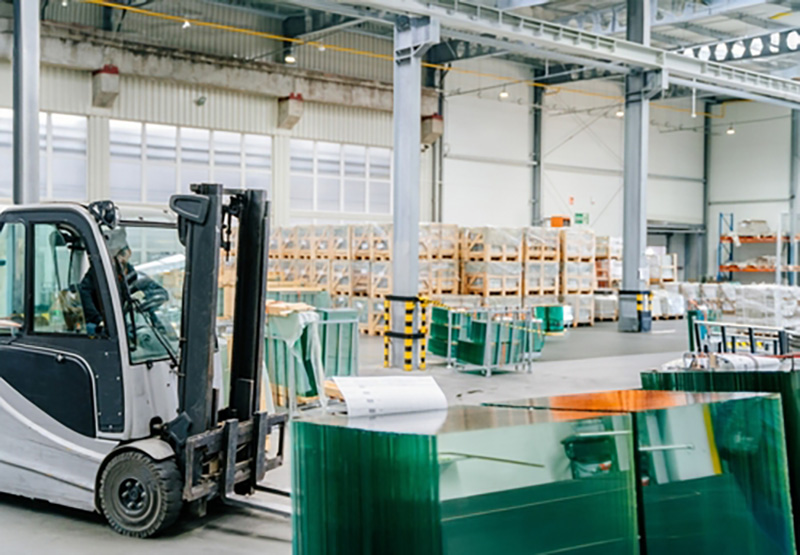
The British Glass Manufacturers' Confederation says that while the sector is a foundation industry, it has faced difficulties in recent years.
Glassmakers stress that signing the Charter is not a mandatory ‘Buy British’ policy but instead encourages organisations to recognise the value of domestic manufacturing when making procurement decisions.
The charter is intended as a statement of support for British manufacturing and sovereign capability, and the UK-wide re-industrialisation potential glassmaking holds.
Dr Nick Kirk, Executive Director of British Glass, says, 'The British glass sector is at a critical crossroads. A combination of government policies has steadily eroded the competitiveness of UK glass manufacturers, while the current packaging Extended Producer Responsibility fee structure is actively incentivising plastic over endlessly recyclable glass.
'Glass manufacturing contributes more than £2bln to the UK economy every year and supports over 120,000 jobs across the supply chain. These are skilled, high-value manufacturing roles in communities that have powered Britain's industrial success for generations and which the Government rightly wants to see thrive.'
Signatories to the Charter commit to:
- Recognise the strategic importance of UK Glass Manufacturing
- Support our high-quality British glass manufacturers
- Champion a competitive and level playing field
- Promote sustainable domestic manufacturing
- Encourage investment and collaboration
The charter comes after the UK Glass & Glazing Collective brought together industry leaders, parliamentarians and policymakers last week to explore the contribution the sectors can make to the UK’s future growth and industrial renewal.
Blair McDougall MP, Minister for Reindustrialisation, reflected, “'he UK has shaped the world’s glass industry for centuries, from generations of skilled workers to breakthroughs like Pilkington’s float glass process which changed how glass is made everywhere.
'I don’t underestimate the challenges that you face; the rising costs of doing business, new policy costs including extended producer responsibility and global uncertainty. My officials are working closely with you and with colleagues across government to understand these pressures and, more importantly, to consider what can be done.'
The Minister also highlighted the Government's recent action on industrial energy costs. Eligible glass businesses already benefit from the British Industry Supercharger, with network charging compensation increasing from 60% to 90% from April, helping to reduce electricity bills for major glass producers and support their international competitiveness.
From next April, the British Industrial Competitiveness Scheme is expected to cut electricity costs for eligible firms by around £35 to £45 per megawatt hour used, providing further support for the sector's growth and resilience.
Kirk adds, 'The consequences of getting this wrong are already being felt. Last year, the closure of Electric Glass Fiber UK resulted in the loss of around 250 skilled jobs and brought an end to continuous filament glass fibre production in the UK. This was the country's only fibreglass manufacturing facility, producing a material that is essential for products such as wind turbine blades.
'Without urgent action, we risk seeing further investment, skills and production leave the UK. That's why we're calling on MPs, businesses and the wider public to sign the Charter and show their support for British glassmakers before more of this vital industry is lost.'