UK and US partner on fusion energy
The two countries have signed agreements at the Global Fusion Policy Summit.
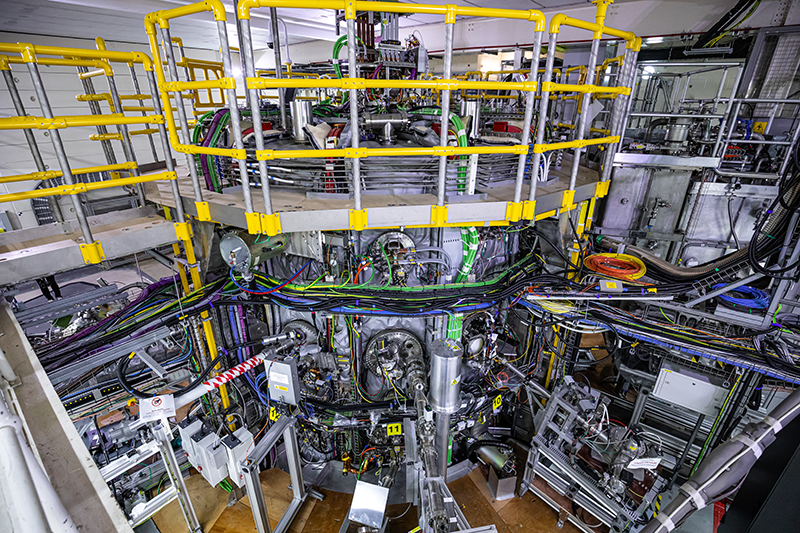
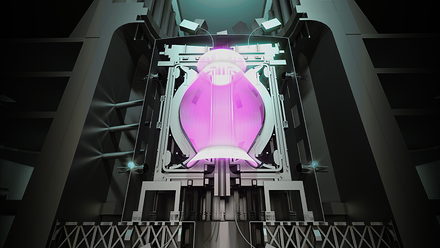
The Mega Ampere Spherical Tokamak Upgrade fusion machine at UK Atomic Energy Authority's Culham Campus
© United Kingdom Atomic Energy AuthorityThe collaboration will combine the nations’ expertise in fusion, artificial intelligence (AI) and computing, with cooperation on regulating fusion energy.
The first Joint Declaration of Intent launches a supercomputing partnership between the UK Atomic Energy Authority (UKAEA) and US Princeton Plasma Physics Laboratory (PPPL) to accelerate development of commercial fusion.
This will link the UKAEA’s AI SUNRISE supercomputer with PPPL’s STELLAR-AI platform.
This would enable both UK and US researchers to train AI models on results from both national laboratories and develop AI tools for future fusion power plants.
It draws on experiments using UKAEA’s Mega Ampere Spherical Tokamak (MAST) Upgrade facility in Oxfordshire and PPPL’s National Spherical Torus Experiment-Upgrade (NSTX‑U) facility in New Jersey. Both are compact spherical tokamaks with similar designs, making them well suited to joint AI training.
The partnership aims to shorten the design cycle for future fusion power plants, making better use of existing experiments and giving UK and US fusion scientists a shared platform to build on.
It is also looking to develop the next generation of fusion and AI experts through training, workshops, research opportunities and other international collaborations.
Next steps include the development of digital twins – detailed virtual copies – for both facilities so researchers can test changes and predict how the machine will behave in software before applying experiments to hardware.
The teams will also explore how to move computing jobs smoothly between platforms with different hardware, so scientists can pick the right supercomputing platform for each problem.
Another Joint Statement commits to closer cooperation on regulating fusion energy, helping to attract investment and support growth of the sector.
The UK fusion sector is expected to create over 10,000 jobs by 2030.
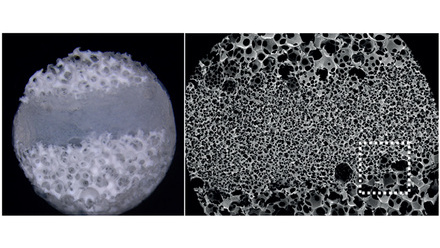
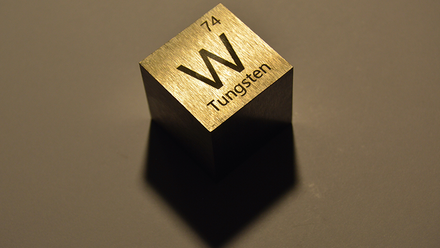
On top of these agreements, the University of Birmingham, Electric Power Research Institute and industry partners in the UK have secured £2.63mln to collaborate on fusion materials.
Kyoto Fusioneering, Japan’s largest fusion company, will also invest up to £3mln in the UK through Project ALBION, to support materials development and testing for the UK Government-backed Spherical Tokamak for Energy Production (STEP) programme.
UK Fusion Energy (UKFE) runs the STEP programme – designing a prototype fusion power plant at West Burton, Nottinghamshire – and has partnered with INFINITY, which is developing a 200-acre advanced manufacturing site at Infinity Park in Derby.
The site will bring together full-scale prototyping, digital engineering, testing and validation, skills development and supply chain collaboration, and the partnership will help shape the site’s capabilities around the programme’s needs.
This includes manufacturing, inspection and validation of large, complex, high-integrity components using hot isostatic pressing, power-beam welding and additive manufacturing.
Building more of this capability domestically could reduce reliance on overseas facilities, protect valuable intellectual property, shorten development cycles and provide greater control over strategically important technologies and components.
INFINITY will bring together major programmes, industrial partners, specialist suppliers and universities, giving UK businesses access to advanced facilities while helping build the skills needed to work in fusion and other highly regulated sectors.
These announcements follow publication of the UK Fusion Investment Prospectus, which sets out the UK’s offer for companies and investors, preparing to capture opportunities in a future global fusion market estimated to be worth £3-12trln.