Mineralised DNA-based hydrogel promotes bone repair
The hydrogel is mineralised with calcium phosphate to support new bone formation by directing immune response.
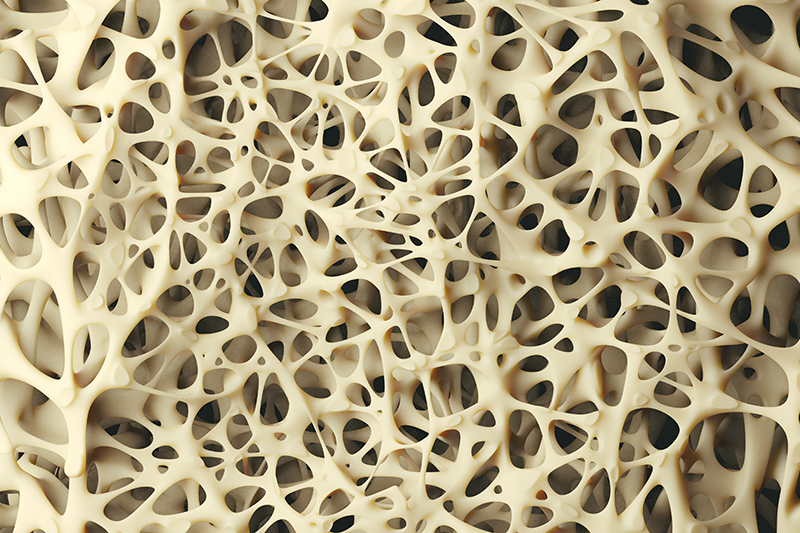
Researchers at the West China Hospital of Stomatology at Sichuan University, China, claim the hydrogel combines immunomodulation with sustained mineral delivery, offering a potential alternative to conventional bone grafts.
The hydrogel is formed from a self-assembling, tetrahedral framework of nucleic acids, which are tiny, programmable, DNA nanostructures.
The calcium phosphate phase reportedly provides sustained calcium release over several weeks, stimulating osteogenic signalling in stem cells.
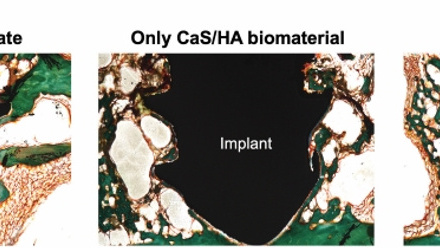
After eight weeks in an animal model, the scientists report that the treated defects show greater collagen deposition, more organised bone architecture and enhanced mineralisation compared with untreated defects or non-mineralised hydrogels.
The researchers say the combination of programmable DNA nanostructures with biomimetic mineralisation could provide a platform for regenerative applications, including bone and dental repair, cartilage regeneration and improved implant integration.