Geoengineering study points to Amazon carbon gains
Stratospheric aerosol injection (SAI) could protect the Amazon rainforest against climate change, suggests UK research.
Research from the University of Exeter has examined the potential effects of SAI – a proposed geoengineering approach designed to cool the Earth by reflecting more incoming solar radiation.
The method is designed to mimic the cooling effect of explosive volcanic eruptions by introducing aerosols into the stratosphere.
Despite previous concerns that SAI could reduce vegetation productivity by limiting sunlight and rainfall, climate modelling projects increased global land carbon storage under SAI compared with both high and mid-range CO2 scenarios.
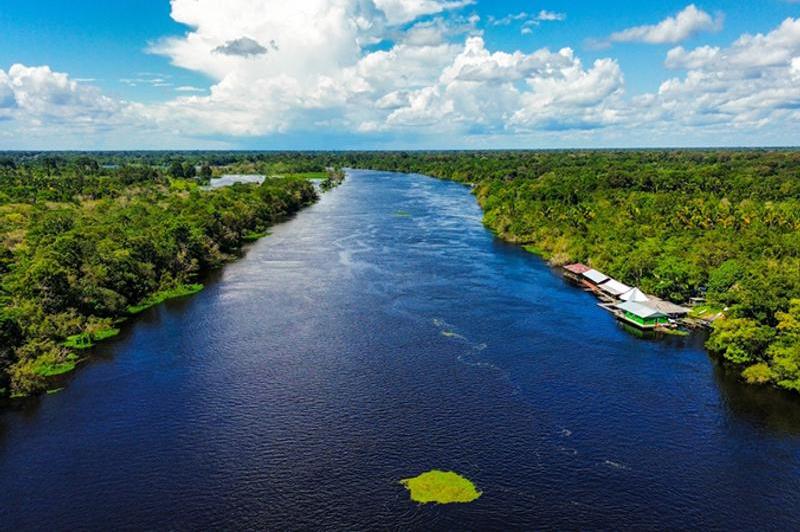
The effect is reportedly pronounced in Amazonia, claim the researchers, where land carbon storage increases by 10.8% compared with a high-CO2 scenario. This is mainly because SAI reduces the warming that suppresses forest and soil carbon growth in this high CO2 scenario.
The high-CO2 plus SAI scenario is also found to produce 8.6% more land carbon in Amazonia than a mid-range emissions scenario with a similar level of global warming.
The research team say that while there are many legitimate concerns about the possibility of SAI geoengineering in the real world, research on this matter and its impacts needs to be openly discussed.
Lead author Isobel Parry, of Exeter’s Department of Mathematics and Statistics, says, ‘The best protection for the Amazon rainforest in the long-term is a combination of reduced rates of both deforestation and anthropogenic climate change, but SAI might provide some emergency protection if we fail to get climate change under control.'