Crab shells tune biodegradable plastic breakdown
Chitin-rich seafood waste reportedly alters surface microbes to slow PHBV degradation.
The researchers at Gunma University, Japan, say the approach could help design biodegradable plastics with lifetimes matching specific marine uses more closely.
A practical challenge for marine applications is fishing nets and lines, where materials must remain strong enough for use but still break down after disposal. While some plastics persist for too long, others degrade too quickly to be useful.
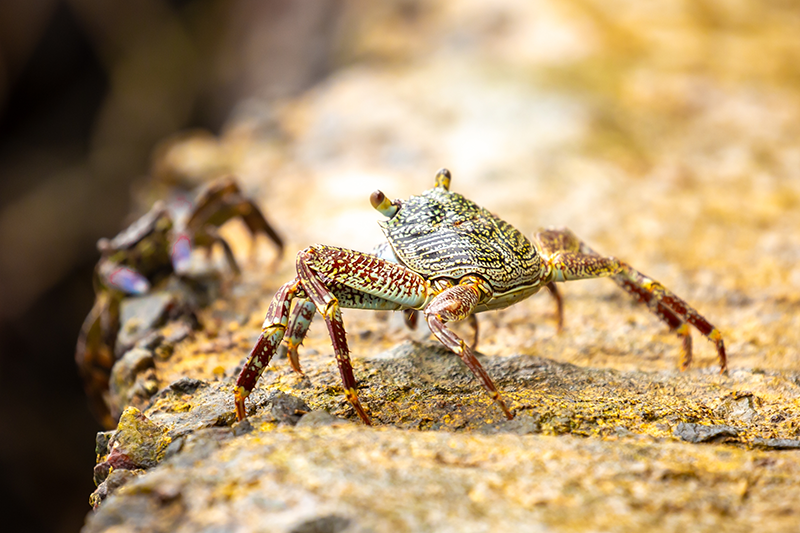
In tests, PHBV films were exposed to seawater either alone, in direct contact with crab shells, or with crab shells added separately to the same tank. After four weeks, PHBV exposed to crab shell by-products showed 20% less mass loss than PHBV alone, with degradation still reduced after eight weeks.
The team says the slowed degradation process isn’t just due to the shells physically shielding the plastic. Instead, chitin released from the shells appears to reshape the ‘plastisphere’ – the microbial community that colonises the plastic surface. This microbial shift leads to a new dominant bacteria and reduces early expression of exPhaZ – a gene encoding extracellular depolymerase that is associated with PHBV degradation.