UK will be sitting on a ‘gold mine’ of rare magnets from old wind turbines, concludes report
Decommissioned offshore wind turbines could produce enough magnets to build one million electric vehicles per year.
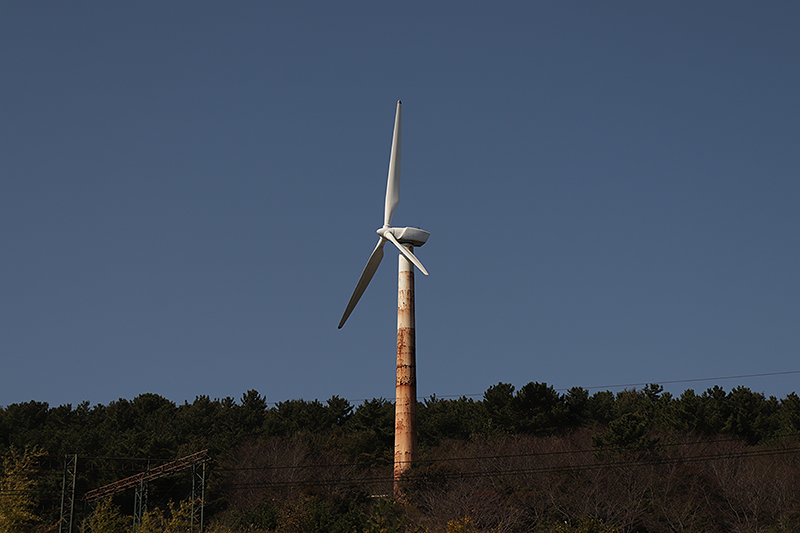
The UK currently depends on international supply chains for neodymium, but sourcing it from old turbines rather than importing it is estimated to be 70% cheaper for UK manufacturers than recent prices.
The analysis commissioned from Warwick Manufacturing Group at the University of Warwick, UK, is published by the National Engineering Policy Centre (NEPC), led by the Royal Academy of Engineering.
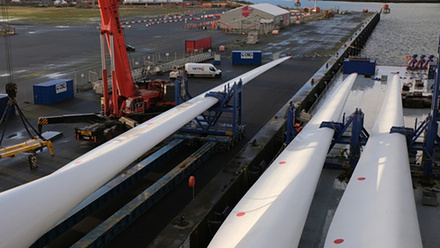
As an early adopter of wind power, the UK will be one of the first nations to decommission offshore wind turbines on a large scale once the turbines reach the end of their 15 to 25-year design life.
Recycling a single large turbine at the end of its life is expected to produce enough neodymium for 12,000 electric vehicle motors.
Recovered neodymium could also be used in ships, planes or heating and cooling systems.
While smaller turbines are already being decommissioned, recovery of permanent magnets in commercially significant volumes will start from 2038 onwards, with an average of 1 million kg of neodymium magnet being made available per year.
However, the NEPC highlights early action is needed to secure this advantage, including designing new wind turbines so their magnets can be recovered and recycled safely and easily; preparing infrastructure, such as port spaces, for turbine decommissioning; and developing a trade policy to keep recovered neodymium within the UK and in the manufacturing and clean energy sectors.
IOM3 CEO Colin Church FIMMM sits on the NEPC Materials and Net Zero Working Group, which commissioned the work.
Professor Joan Cordiner, Chair of the NEPC Materials and Net Zero Working Group, says, 'Future supply of neodymium magnets is not guaranteed, but the fact that the UK will have around 1,800 wind turbines installed by 2030 provides a huge opportunity to use the critical minerals within them more sustainably.
'However, we risk future bottlenecks in domestic manufacturing of clean tech if we don’t act now to capitalise on this strategic resource. The UK has a chance to lay the groundwork for recycling its future wind turbines with infrastructure, design standards and regulation. If we fail to do this, we will leave our manufacturing industry more exposed to shifting geopolitical winds.'
Professor Rebecca Lunn, Member of the NEPC Materials and Net Zero Working Group and Green Future Fellow, adds, 'Remanufacturing neodymium prevents the environmental damage that can be caused by extracting more material and can also provide an economic benefit for the UK. Reusing our existing resources means we can reduce carbon emissions and highly polluting waste and unlock our electric vehicle manufacturing sector, which in turn can improve local air quality and create high-paid local jobs. Developing this supply chain would be a significant boost to the UK’s green transition.'