Chemical ‘fingerprints’ library identifies textile fibres for recycling
Infrared analysis is combined with machine learning to classify fibre types.
King’s College London, UK, researchers say they have developed an open access dataset of infrared ‘fingerprints’ to support faster and more objective textile fibre identification using machine learning.
Accurate fibre identification is critical for understanding microfibre pollution, tracing pollution sources and fostering recycling and circularity, they report, but existing reference libraries are often incomplete, inconsistent or inaccessible.
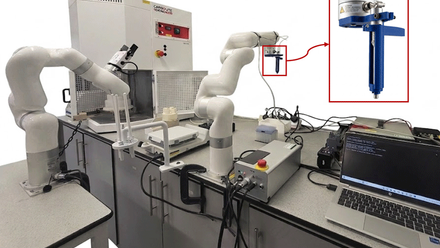
The researchers behind the FasTEX project explain how they deployed infrared spectroscopy to examine 137 textile samples of known composition under standardised laboratory conditions to create a dataset for each fibre. This includes 26 types representing both natural and man-made materials.
According to the team, this is one of the first openly available textile fibre datasets to bring together raw measurements, processed reference data and analysis code in one place for others to access.