Opportunities for wind assets
Research on recovery opportunities for UK’s onshore and offshore wind fleet suggests significant raw materials demand.
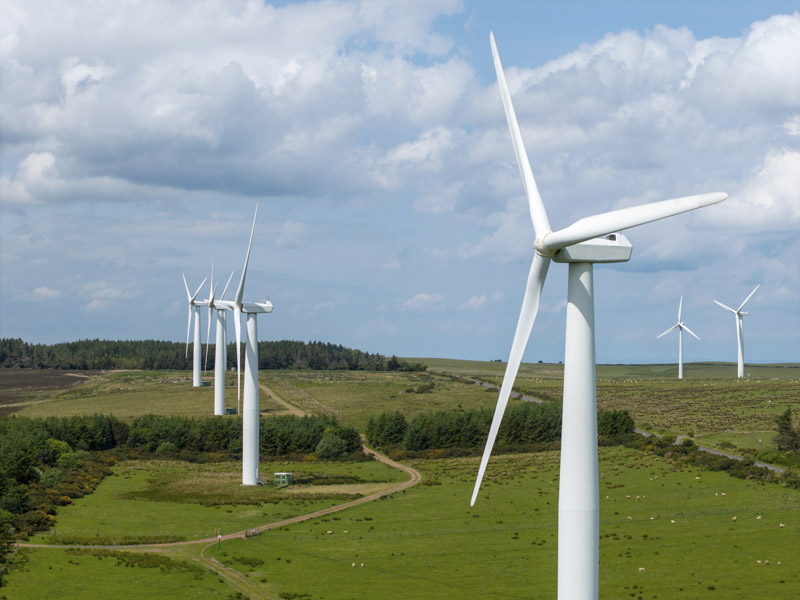
The Investigation of the potential for lifetime extension, reuse and material recovery for the onshore and offshore wind turbine fleet in the UK report presents evidence on the potential to extend the lifetime of existing onshore and offshore wind assets in the UK, and to reuse components or recover materials when assets reach the end of their operational life.
It draws on a literature review, stakeholder interviews and quantitative modelling to explore repair and maintenance practices, future material flows, emissions, jobs and gross value added.
The report suggests supply availability is a key risk to meeting legally binding carbon targets.
It states the UK government must be able to anticipate and model future sourcing channels for assets, components and materials to meet future demand across the energy system.
It says there ‘is limited evidence on the extent to which maintenance and repair activities can extend the operational life of wind energy assets, and on the potential to reuse components and recover materials from wind energy infrastructure at end of life.
'Suggesting that advances in condition monitoring, digital diagnostics, and intelligent maintenance systems improve operators’ ability to assess turbine health and support lifetime extension decisions.
‘These tools will become increasingly important as turbines grow larger and more complex.
‘However, significant data gaps remain, particularly in relation to component failure, repair, and replacement rates, which are not consistently captured or shared. This limits the ability to quantify lifetime extension potential across the fleet.
‘Wider factors, including skills availability, land ownership, leasing arrangements, and policy certainty also influence feasibility. While repair and maintenance can enable meaningful lifetime extension, the duration for extension tends to depend less on turbine age and more on turbine design, spare part supply chains, data quality, and the wider economic and regulatory context in which assets operate.’