National Mentoring Day: Celebrating the value of mentoring
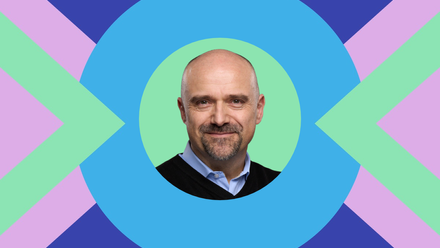
To mark National Mentoring Day, Director of Membership Paul Skerry CEng FIMMM reflects on the two-way benefits of mentoring.
Back in the September Issue of our Member magazine, Materials World, I talked about my own experience of mentoring, both as a mentor and a mentee.
For me, mentoring is simply about acting as ‘an ear,’ and the arrangements evolve over the course of someone’s career. At the early career stage, buddying and line manager support can work well. As the individual progresses on the journey towards professional registration, it can be good to have a mentor with experience of achieving the qualification themselves who doesn’t know the mentee quite so well. The danger, of course, when a mentor knows the mentee well is that they often fill in the gaps for them, which isn’t what you necessarily need when preparing for professional review, though!
As someone progresses through their career, mentor arrangements can provide wider support, often helping the individual to chart their career journey, deal with the ‘bumps in the road’ and maybe even help to achieve more practical things such as a sensible work-life balance. Not surprisingly, as you grow older, you realise you have seen most of the problems that feel big in the early part of your career, or at least a version of them. I also feel that the benefit of mentoring is two-way and have seen fantastic results from intentional reverse mentor pairings previously. The generational differences are real, and mentoring can help with dealing with things like the challenges of remote working, particularly in early career groups where building resilience is key.
I’m writing this following an evening attending an International Women in Resources Mentoring Programme (IWRMP) event in Central London, hosted by Anglo American. The event brought together mining professionals from across the globe – mentors, mentees and invited guests. During the networking discussions, I heard first-hand the benefits of career mentoring across each of the generations, a variety of roles and differing geopolitical environments. What I saw in the room was an underlying feeling of positivity. The discussions were easy and free-flowing, and the mentoring support given varied significantly. Some of the mentors thought they weren’t giving much, but their mentees totally disagreed. I would hate to even attempt to think about the total number of years' worth of experience we had in the room.
I’m also contrasting what I’ve seen today with the second of our public IOM3 mentor workshops that I’m running tomorrow. Our workshops are slightly different, because they focus on Professional Registration and giving mentors the tools to help those not only in their own organisations, but also more widely. I’m pleased to say what we set out to do is working well, and over the last three months we have doubled the number of trained mentors we have in IOM3. So, if you are a member and you are looking for support, do get in touch with the membership team. We always look to build a mentor pairing in your own organisation first, before looking at mentors within your local society or technical specialism, before making a pairing within our wider mentor pool.
On National Mentoring Day, I hope you get them time to reflect on what you get or could get from mentoring as either a mentor or mentee. Perhaps through mentoring activity, you will end up becoming their boss, prepare someone to be able to do your job, or lead to the development of new materials. Whatever your goal, I wish you the very best of luck in your endeavours.