There's gold in them there...trees
Bacteria in Norway spruce needles may influence gold accumulation in trees, suggests research from Finland.
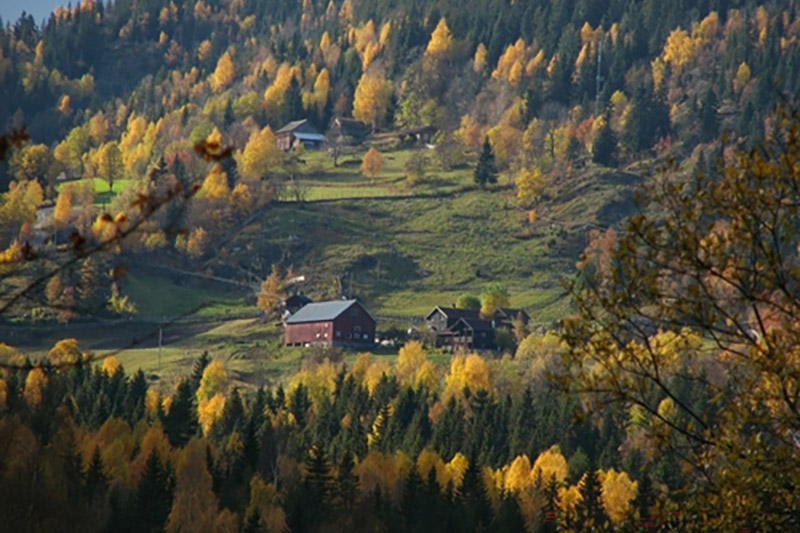
Research from the University of Oulu and Geological Survey Finland is said to enhance the understanding of how mineral deposits release ions through oxidation and bacterial activity, which migrate to surface soils so that metals can be detected in plants or snow using sensitive instruments.
In biomineralisation, inorganic substances and minerals, such as gold, accumulate and solidify inside plant tissues as part of the plant's defence mechanisms, say the team behind the study. However, biomineralisation does not always occur, and may be sporadic and localised.
The team has collected 138 needle samples from 23 spruce trees on a satellite mineral deposit of the Kittilä gold mine in Finland.
In four trees, gold nanoparticles were found inside the needles, surrounded by bacterial biofilms. DNA sequencing of these biofilms revealed that certain bacterial groups - such as P3OB-42, Cutibacterium, and Corynebacterium - were more common in gold-containing needles.
'This suggests that these specific spruce-associated bacteria can help transform soluble gold into solid particles inside the needles. This insight is useful, since screening for such bacteria in plant leaves may facilitate gold exploration,' says Postdoctoral Researcher Kaisa Lehosmaa from the University of Oulu.
The team says similar approaches could be applied to other minerals and plants.
'Metals can, for example, precipitate within moss tissues. Studying biomineralisation also allows us to explore how bacteria and microbes living in aquatic mosses could help remove metals from water,' Dr Lehosmaa.