National Audit Office says delays to electricity grid updates risk higher bills
The £70bln grid upgrade is critical as more UK electricity comes from renewables.
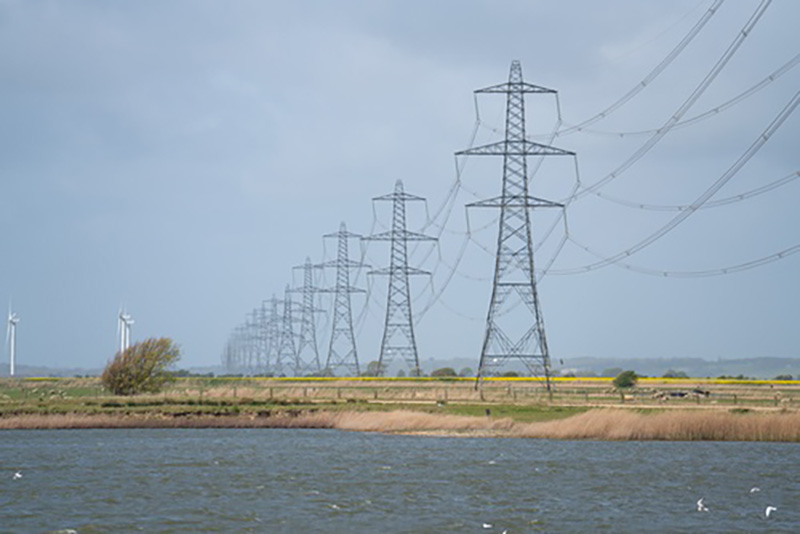
The National Audit Office (NAO) finds that many grid upgrades are at risk of not being delivered when needed, which could increase short-term costs for consumers.
Accelerating the necessary upgrades, while ensuring they are delivered efficiently, will reportedly test the way the National Energy System Operator (NESO), the Department for Energy Security and Net Zero, and Ofgem work together to oversee and regulate the grid.
The NAO’s latest report says that these payments, known as constraint costs – which ultimately go on consumers’ bills – totalled £1.9bln in 2025-26, and could increase up to £7.8bln by 2030 without concerted action.
Ofgem estimates that £70bln of investment is required in the grid between 2025 and 2031. This will increase the network charges paid by consumers by £60 by 2030, but save them £30 overall compared to the increased constraint costs if projects are not accelerated.
But the report, Upgrading the electricity transmission network, finds the upgrade timetable 'very challenging'.
Of the total 80 projects NESO identified as necessary, 64 are ongoing.
NAO finds that most are at an early stage of development and are not expected to be connected by the dates NESO originally said would be optimal. Many also face significant risks to delivery.
NESO identifies three projects that needed to be accelerated to meet Clean Power 2030 and eight others where acceleration would also reduce constraint costs. The NAO concludes that there has not been a significant acceleration in any of these projects so far.
Most of the grid upgrades NESO recommended were chosen because they were already in development, the report states. In the absence of an integrated plan or whole-system appraisal, the report finds the government has not demonstrated that these projects represent the best way of achieving its objectives.