Critical raw materials exhibition to open in Oxford
The free showcase will delve into 34 materials deemed essential to the UK’s future.
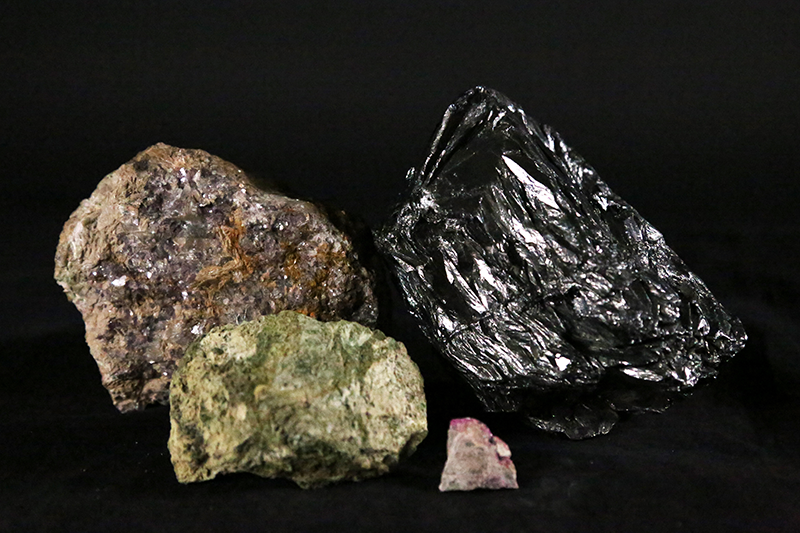
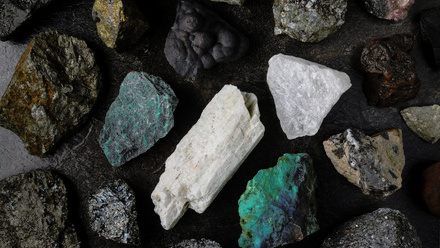
Ores for minerals found in batteries. (Left to right) Lithium, nickel, cobalt and graphite ores
© OUMNHLaunching at the Oxford University Museum of Natural History (OUMNH) on Wednesday 17 June 2026, ‘34: The critical raw materials shaping our future’ event will display case studies, historical and modern artefacts, as well as interactive installations.
It aims to open visitors’ eyes to the geopolitics, complex supply chains and human perspectives behind the minerals critical to our modern lives.
Related public events and workshops will invite visitors and communities to engage more deeply with the exhibition.
This is a collaboration between OUMNH, Oxford University’s Department of Earth Sciences and Oxford EARTH - a transdisciplinary research programme to address the resourcing challenge we face to meet future demand equitably and sustainably.
Familiar materials such as iron, aluminium, lithium, cobalt, titanium, helium and rare-earth elements will be showcased alongside less well-known but equally essential substances.
The exhibition will start with a 40,000-year-old, iron-rich ochre from Ngwenya Mine in present-day southern Africa, which marks one of the earliest-known occurrences of humans deliberately extracting material from beneath the ground.
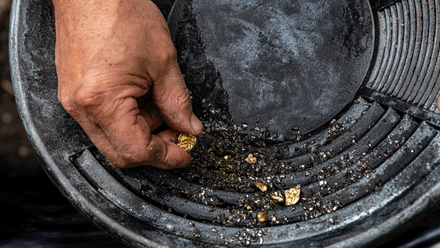
It will then follow the 19th-Century gold rush in North America through to present-day lithium extraction in Chile’s Atacama Desert, demonstrating how the pursuit of raw materials has transformed landscapes, displaced communities and driven economic booms and busts.
All 34 critical raw materials, and a few more as well, will be displayed alongside the technologies and products that drive demand and research on how to meet this rising demand without further endangering ecosystems and communities.
This includes alternative extraction methods and approaches to reduce our reliance on high-risk materials, such as through recycling, repair and substitution.
Tactile and interactive digital installations will allow visitors to virtually dismantle objects and reveal their constituent elements, explore extraction and processing systems, as well as hear from researchers, industry workers, policymakers, activists and community members involved in extraction.
The accompanying programme of events includes talks and tours, late-night openings, family activities, performances and hands-on workshops designed for audiences of all ages.