MIT-Spinout and BHP trial copper recovery tech
The pilot with SiTration in Arizona, USA, aims to recover copper from legacy mining water at BHP’s historic Copper Cities site.
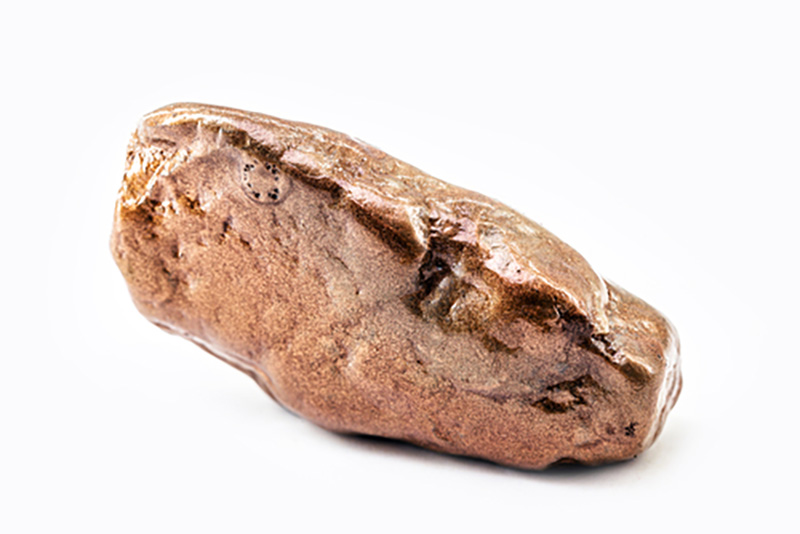
The initiative will begin in August with an initial small-scale pilot designed to validate the continuous, autonomous production of copper from legacy mining water over one month.
A larger deployment planned for later this year will seek to produce up to two tonnes of commercial scale copper cathodes over a two-month period.
The historic Copper Cities site produced nearly 400,000t of copper between the 1950s and early 1980s.
Through bench-scale testing using real feedstock from the site, SiTration claims to have already demonstrated LME Grade A copper production.
The spin-out says that without using any chemicals or generating new waste products, preliminary tests have yielded energy consumption below 3-4kWh/kg to recover copper from the diluted legacy mining water.
'The American Southwest houses legacy mining water containing billions of dollars’ worth of copper,' says Brendan Smith, CEO and Co-founder of SiTration.
'With global copper demand projected to grow by around 70% by 2050 to support the rapid buildout of energy infrastructure and data centers, tapping into these resources is an excellent pathway to bolster domestic supply chains while producing copper at the bottom of the global cost curve.'
'The Copper Cities pilot provides an opportunity to evaluate an innovative approach to recover copper from mining-impacted water while generating valuable technical and operational insights,' saysKevin Ramsay, General Manager Legacy Assets, BHP.