Inert-anode aluminium to cut carbon from data centre cables
Aluminium made using inert-anode technology is to be used in electrical cables at an Amazon data centre in Ohio, USA.
The technology replaces the carbon anodes used in conventional smelting, removing a major source of direct greenhouse gas emissions from the process.
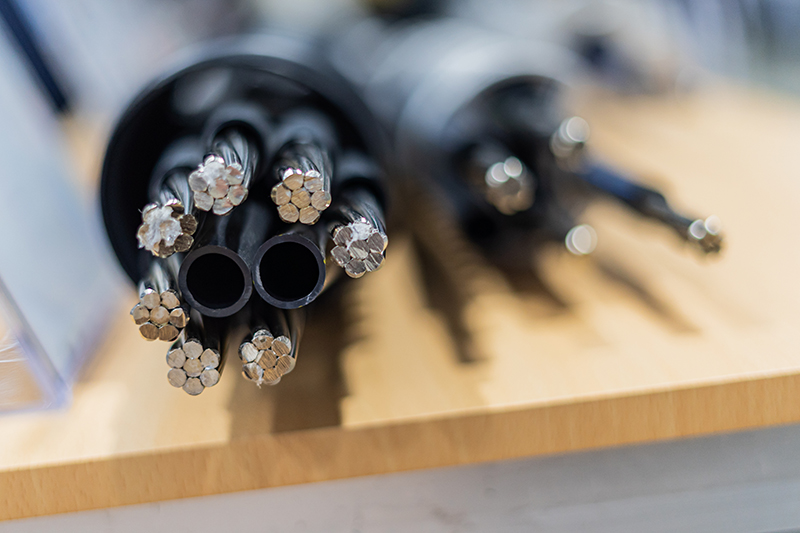
Italian company Prysmian is manufacturing the cables from ELYSIS aluminium supplied by Rio Tinto.
In conventional aluminium smelting, carbon anodes react during electrolysis and generate carbon dioxide, as well as perfluorocarbon emissions under some operating conditions. ELYSIS replaces these with proprietary inert anodes, which instead release oxygen and reportedly eliminate direct greenhouse gas emissions from the smelting process.
The aluminium for the project was produced in Quebec, Canada, using hydropower – further reducing emissions associated with production.
The companies report that this will be the first known use of inert-anode-smelted aluminium in a data centre.
The project follows a partnership announced by Prysmian and Rio Tinto earlier this year to introduce building wire using the same technology.
More like this...