Hemp waste biocomposites could offer lower-carbon pathway for packaging
Life Cycle Assessment shows material design and end-of-life affect the environmental impact of such packaging.
Researchers at the Korea Research Institute of Chemical Technology (KRICT), South Korea, reveal that anaerobic digestion provides the lowest greenhouse gas emissions among the end-of-life scenarios studied.
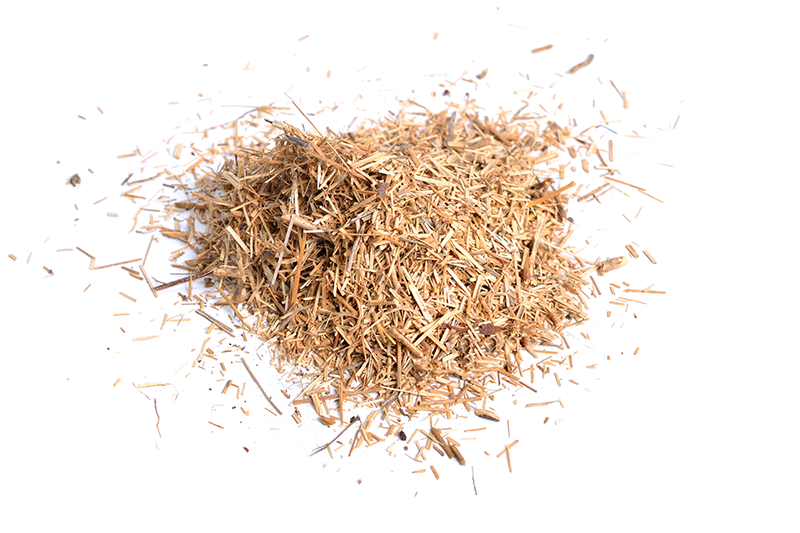
The work focuses on hemp hurd – the woody inner core of the plant that makes up a large proportion of its mass and is often treated as a low-value by-product.
The team converted hurd into microfibres through milling and microfibrillation. These were then incorporated into two biocomposites – packaging films based on polylactic acid (PLA) and agricultural mulch films made from starch-based thermoplastic (TPS) and poly(butylene adipate-co-terephthalate) (PBAT).
Adding hemp to microfibres was found to improve the tensile strength by around 20% in packaging films and 33% in mulch films, compared with the unreinforced materials.
The researchers then evaluated different disposal routes using a cradle-to-grave Life Cycle Assessment. Anaerobic digestion reportedly produced the lowest climate impact, with biogas converted into electricity and digestate reused as a soil conditioner.
For mulch films, this approach mitigated around 6.1kg of CO2 emissions per kilogramme compared with conventional waste management.
The study also highlights that manufacturing choices, including fibre-drying methods, can significantly affect overall sustainability.