European paper sacks cut carbon footprint by 9% in three years
Cleaner energy use in paper mills and converting plants has helped lower the carbon footprint.
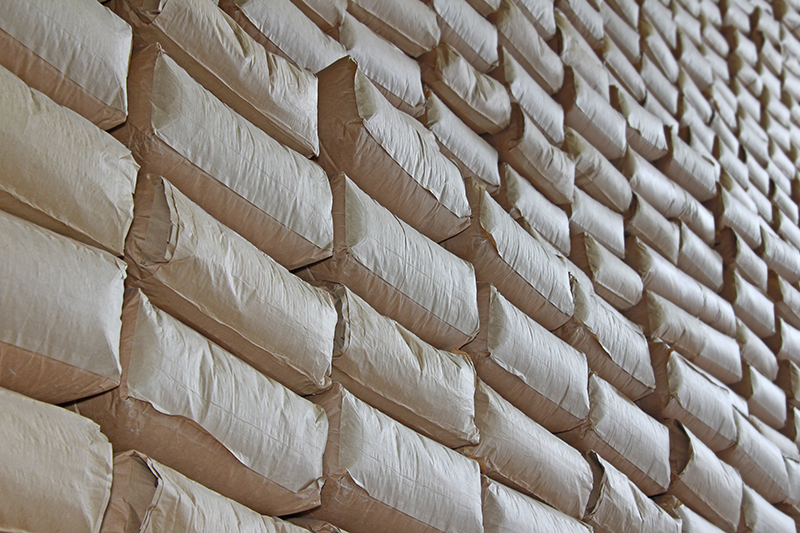
The carbon footprint of European paper sacks reduced by 9%, according to a study conducted by RISE for the European Paper Sack Research Group – a collaboration between EUROSAC and CEPI Eurokraft.
The study found that emissions fell from 106.7g CO₂e per paper sack in 2021 to 97.3g CO₂e in 2024. Over the same period, the fossil carbon footprint of sack kraft paper production decreased by 5%, from 484kg CO₂e/t to 462kg CO₂e/t.
Sack kraft paper is designed for industrial sacks and heavy-duty bags, and typically features high strength, tear resistance, elasticity and porosity. It is commonly used for industrial packaging such as cement, building materials, chemicals, flour, animal feed and other dry bulk goods. Purchased sack kraft paper accounts for around 60% of the cradle-to-gate fossil carbon footprint of paper sacks, making it the dominant emissions contributor.
The reduction was driven largely by changes in the electricity mix used by paper mills and converting plants. In 2024, 54% of electricity consumed by sack kraft paper mills came from renewable or low-carbon sources – up from 29% in 2021. Biofuels accounted for 85% of onsite fuels, while emissions from purchased grid electricity at converting plants fell by 44%.
EUROSAC said the findings would support further development of the sector’s net-zero pathway.