Nanofilm electrode monitors crop health for early signs of stress
A bioelectric nanosensor could potentially increase the production of economically important agricultural crops.
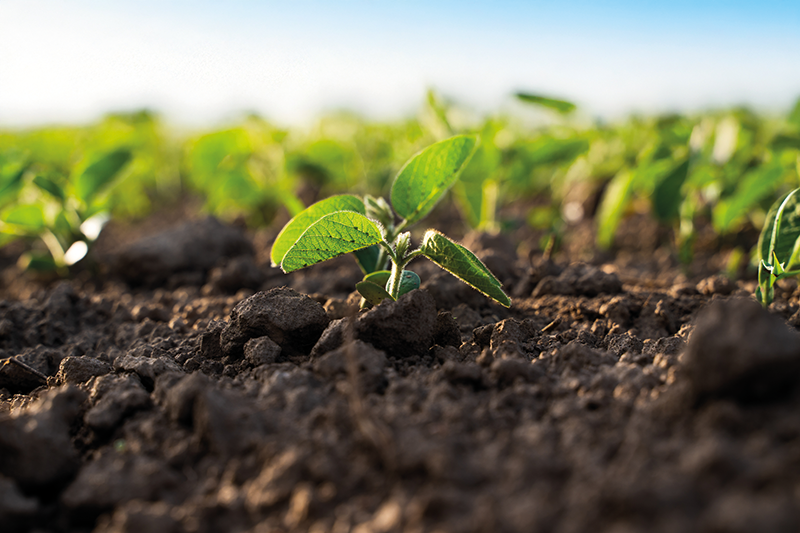
The nanofilm electrode could boost agricultural production, including important crops like soybeans, by detecting diseases or harmful conditions early on
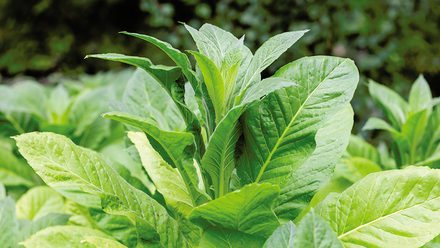
© vshtun/ShutterstockThe non-invasive, transparent, flexible and water-resistant nanofilm electrode from the Institute of Science Tokyo, Japan, aims to resolve the technical barriers that have previously prevented widespread take-up of thin-film leaf electrodes, including a lack of transparency and water resistance. It does this by detecting plant diseases early on.
One particularly tricky obstacle is the presence of trichomes – the tiny hair-like structures found on the leaves of many economically important crops, including soybeans, tomatoes, and eggplants. Trichomes are critical to plant health because they shield crops from UV light and heat, repel pathogens and reduce water loss. Existing thin-film electrodes are designed to simply cover trichomes, disrupting their function and damaging the leaf over time.
This nanofilm electrode is made from conductive, single-walled carbon nanotubes (SWCNTs) deposited onto a flexible elastomer layer. At only 70-320nm thick, the films are extremely thin and can conform closely to complex leaf surfaces without the need for adhesives. This allows the hairs to easily pierce through the device.
This trichome-piercing mechanism is said to enable stable electrical contact without damaging plant tissues or compromising key biological processes. The electrodes also prove highly transparent, transmitting over 80% of incoming light and allowing photosynthesis to continue normally.
The device is reportedly compatible with many plant species and works by continuously recording electrical signals remotely when the plants are under stress.
With climate change and growing pesticide resistance threatening the long-term security of global food supplies, the leaf monitoring technology could help farmers develop more resilient food production systems, claim the researchers.
In their paper on Pierceable, water-resistant, and transparent nanofilm electrodes comprising carbon nanotubes for long-term monitoring of plant electrophysiology, the researchers describe how a gravure coating process produces the SWCNT bilayer nanofilms. They explain how they 'varied the overall film thickness to determine its role in achieving conformability on trichome-covered surfaces'.
The paper in Advanced Science reports how the '70nm-thick films exhibited robust conformability, which implies minimal sensitivity to variations in the trichome density, stiffness and shape'.
To demonstrate the electrodes’ suitability for non-invasive monitoring in the field, light-induced biopotential signals in leaves were recorded under test conditions, typically for one to two months with a maximum duration of 10 months. The scientists found the device remained attached and functional without causing apparent damage to the crops.
Its water resistance on pothos leaves under simulated heavy rainfall conditions has been compared to hydrogel and PEDOT:PSS nanofilm electrodes. The researchers conclude that it demonstrates superior performance.