More than 60 organisations back UK's Women in Research Charter
The government has unveiled the charter for paid family leave, flexible working and tougher action on harassment.

This belatedly brings UK research into line with the vast majority of workplaces. The aim is to ensure that women do not have to choose between a career in research and family life.
Previously, barriers like no paid maternity leave have been found to hold back female PhD researchers from pursuing or developing their careers in research.
More than 60 universities and research organisations have signed up to the charter so far. Every signatory must at least match the support provided by UK Research and Innovation (UKRI) to the PhD students they fund. Including support for pregnancy-related sickness, adoption, neonatal care and the loss of a baby. This will mean at least 52 weeks of maternity leave, with a full stipend for the first 26 weeks and a minimum of two weeks’ paid leave for partners.
The charter also commits to funding schemes being genuinely deliverable on a part-time basis - including adjusted timelines, applications and assessments – so researchers can continue to lead their pioneering work however it best fits with their home lives.
Researchers must also be able to work flexibly so that key opportunities are not closed off due to caring responsibilities or career breaks.
The charter will also look to tackle bullying, harassment and sexual misconduct in the research sector. Wellcome Trust research shows that nearly two-thirds of researchers have witnessed bullying or harassment, yet only one in three feel comfortable speaking up, reflecting low trust that the system will act or for fear of the consequences.
To tackle this, the charter will ensure organisations have effective and clear mechanisms to report and address unacceptable behaviour, including protections for those raising concerns.
It also includes steps on fair assessment – challenging the practice of measuring researchers by publication volume or unbroken career history – which leaves those who have taken career breaks or worked part-time at a disadvantage.
Funders and institutions will instead need to assess performance in ways that recognises when women have taken a break from their work to care for family and loved ones – helping level the playing field.
To ensure the charter is making a tangible difference to improve lives, organisations will also publish annual figures covering grant success rates and recruitment, promotion and staffing data broken down by sex.
The aim is to make it easier for organisations to check their progress and see where there are gaps to fill and barriers to tackle.
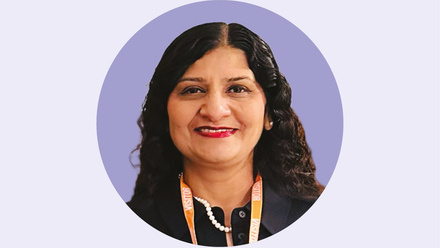
Professor Pia Ostergaard, who was supported by the Daphne Jackson Fellowship, says, 'Returning to a scientific research career after maternity leave was only possible because I received a fellowship that supported my salary and I had an employer who was willing to accommodate flexible working at a time when working from home was far from the norm. I hope this charter will help make such support a standard expectation, rather than something that depends on individual circumstances.'
View the list of charter signatories and find out more about the charter.
For more like this...