European Commission releases Electrification Action Plan
It claims the electrification rate of energy demand has stalled at 23% over the past decade.

The Commission stresses the need to accelerate electrification of energy-using sectors, notably industry, transport and buildings.
To support this ambition, an indicative electrification target of 46% by 2040 is being reviewed as part of the post-2030 Energy Union package.
Reaching this goal could cut the EU's fossil fuel import bill by €260bln per year by 2040. Around 70% of EU electricity is currently generated from homegrown clean energy sources but the electrification rate of energy demand has stalled at 23%.
The Electrification Action Plan focuses on addressing this by reducing the price gap between electricity and fossil energy costs and on incentivising the uptake of cleaner, electricity-based technologies, such as heat pumps, electric vehicles and batteries, among others.
To tackle this, the proposal to future-proof electricity bills in the EU will empower Member States to reduce network charges for certain consumer groups and taxes for energy-intensive businesses.
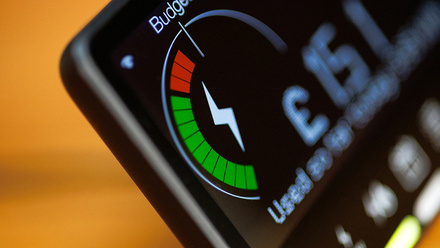
It also aims to spur faster deployment of smart meters, which will make it easier for consumers to save on their energy bills. The proposal seeks to ensure that electricity is not taxed more heavily than gas.
The Action Plan also proposes lowering the upfront costs of electrification technologies across key demand sectors, such as buildings, transport and industry. It sets out a wide variety of tools that can be mobilised, such as the use of social leasing schemes, Emissions Trading Scheme financial instruments, including the Social Climate Fund and the Industrial Decarbonisation Bank, and a Clean Heat Market mechanism.
Meanwhile, the Grids Package proposed last year aims to address long waiting lists for new connections.
The plan also seeks to address other barriers, including the slow uptake of innovative electrification solutions, by promoting investment project viability and manufacturing capacity in clean energy technologies to secure the business case for electrification, starting with investing in skills and job creation potential.
A review of the EU Emissions Trading System (ETS) is also in the works.
While preserving the essential role of the ETS in the climate and energy transition, it makes the trajectory more gradual and aligned with domestic climate ambition level.
Up to 2% high-quality international credits will finance decarbonisation projects and provide breathing space in 2036-2040 when the emission reductions in Europe will become more challenging.
The Industrial Decarbonisation Bank will have €100bln funding for industrial decarbonisation across Europe, and the ETS Investment Booster will be available before 2030 as the first phase of the Bank.
The EU ETS Innovation Fund will continue to support first commercial applications of innovative technologies in a wide range of sectors.
And Member States will be required to spend 50% of their national ETS revenues on investments to decarbonise ETS sectors. This adds up to more than €100bln in investments before 2030, says the Commission.
'The principle is clear: contributions by industry should flow back to industry. This approach encourages and rewards those that invest in the clean transition - and incentivises those who struggle to catch up.'
For more like this...