Calls to expand UK steel production and recycling capacity
The Energy and Climate Intelligence Unit suggests there is enough scrap steel to increase domestic steelmaking.
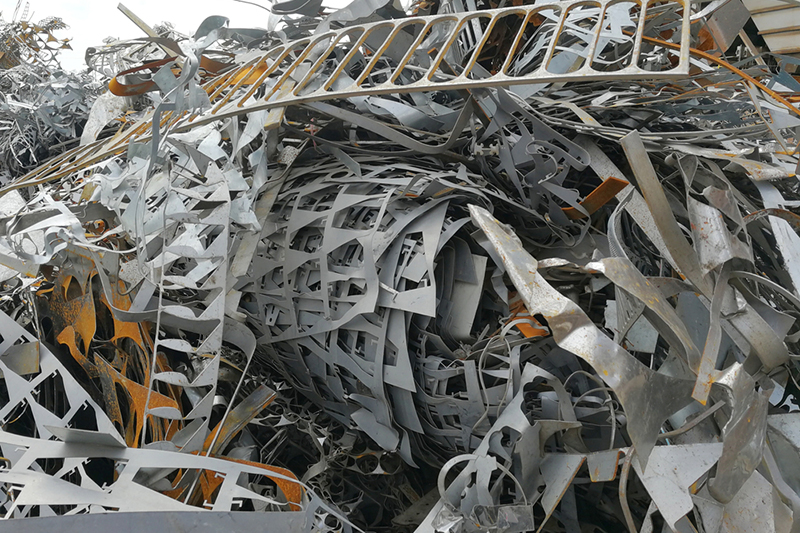
Yet the UK exports around 75% (8Mt) of scrap steel each year because it lacks sufficient recycling capacity.
The Energy and Climate Intelligence Unit (ECIU)'s research suggests the UK is at risk of exporting valuable raw materials, jobs and industrial opportunities overseas unless it expands domestic steel recycling and production capacity.
UK steel demand is projected to grow by 54% by 2050, driven by housebuilding, offshore wind deployment, electricity network expansion and the growing automotive demand for lower-carbon steel.
To fully meet this demand domestically, two Port Talbots’ worth of additional electric arc furnace capacity would be needed to avoid greater dependence on imported steel.
The ECIU says, 'The steel sector is at a pivotal crossroads, especially for communities in places like Scunthorpe and across the North. Following the nationalisation of British Steel in Scunthorpe and the move towards a public acquisition of Speciality Steel UK’s sites in South Yorkshire and the West Midlands, taxpayers have a growing stake in securing a competitive long-term future for the industry.
'The analysis suggests that expanding domestic electric arc furnace capacity is essential to retaining more of the value generated by British scrap, strengthening industrial resilience and reducing reliance on imported steel.'
The non-profit organisation believes 'the critical window for investment is now. New electric arc furnaces can be commissioned in as little as 18 months to three years, meaning investment decisions taken in 2026 and 2027 will determine whether UK producers are positioned to compete for rapidly growing demand between 2028 and 2031'.